
The Quiet Difference Between Fitting In and Belonging
From the outside, everything looks fine.
Inside, however, the experience can feel very different.
A girl can fit in while constantly editing herself. She can fit in while worrying about saying the wrong thing. She can fit in while pretending to like things she does not actually enjoy. She can fit in while feeling pressure to become a version of herself that earns approval.
Belonging is different.
Belonging happens when a girl feels accepted without constantly performing for acceptance.
This distinction matters because many confidence struggles begin when girls learn how to fit in before they learn how to stay connected to themselves.
Most parents want their daughters to have friends.
They want them to feel included, accepted, and connected. They want school to feel manageable. They want friendships to feel secure. They want their daughters to have people they can laugh with, trust, and rely on.
These are reasonable hopes.
The challenge is that many parents focus on whether their daughter fits in without realizing there is another question that may matter even more.
Does she feel like she belongs?
At first glance, fitting in and belonging can appear identical. A girl has friends. She gets invited to things. She participates in group activities. She seems socially connected.
Why Fitting In Becomes So Important During the Tween Years?
None of this is inherently problematic.
In fact, some degree of adaptation is part of healthy social development.
The concern arises when adaptation turns into self-abandonment.
A girl starts making choices based primarily on what will earn approval rather than what feels true to her. She becomes increasingly skilled at reading the room while becoming less aware of her own reactions.
Parents often miss this shift because the social outcome looks positive.
Their daughter appears to have friends.
What they cannot always see is how much effort it may be taking to maintain that acceptance.
The tween years bring a dramatic increase in social awareness.
Girls become more conscious of group dynamics, friendships, appearance, and social status. They begin noticing subtle cues that younger children often overlook. They pay attention to who is included, who is excluded, who receives attention, and who seems admired.
This heightened awareness is a normal part of development.
The challenge is that it can make fitting in feel incredibly important.
A girl who is still developing her sense of identity naturally looks to the people around her for clues about what is acceptable. She notices what gets rewarded socially. She notices which personalities seem popular. She notices what other girls wear, how they talk, and what they care about.

The Signs That a Girl May Be Fitting In Rather Than Belonging
Many parents interpret these changes as normal social development.
To some extent, they are.
The key question is whether a daughter still feels comfortable being herself.
A girl who belongs may adjust to different environments, but she does not feel as though she must constantly hide parts of herself. A girl focused solely on fitting in often becomes highly sensitive to approval and disapproval because acceptance feels conditional.
She starts believing that connection depends on performance.
That belief can quietly erode confidence over time.
Parents are not usually given a direct announcement when this happens.
A daughter rarely says, "I feel pressure to become someone else in order to be accepted."
Instead, the signs tend to appear through everyday behavior.
A girl suddenly loses interest in activities she genuinely enjoys because they no longer seem socially valuable. She becomes reluctant to express opinions that differ from her friends. She changes her preferences depending on who she is with.
She worries excessively about being perceived as strange, different, awkward, or uncool.
When Social Success Hides Social Anxiety
Some girls spend enormous amounts of energy managing other people's impressions of them.
They monitor conversations carefully. They worry about making mistakes. They replay social interactions long after they are over. They become experts at maintaining acceptance while feeling increasingly disconnected from themselves.
The problem is not friendship.
The problem is that friendship starts feeling like something that must be earned continuously.
That creates pressure.
And pressure is a difficult foundation for confidence.
One of the reasons this issue is easy to miss is that some girls become extremely good at fitting in.
They know how to read social situations.
They know what to say.
They know how to avoid conflict.
They know how to adapt.
From the outside, they often appear socially successful.
Parents may assume that because a daughter has friends, she must feel secure.
That is not always the case.
What Parents Can Listen For
Many girls become so focused on maintaining social approval that they stop asking themselves an important question.
"Do I actually feel comfortable being myself here?"
Parents can gently introduce that question into conversations.
Not as criticism.
Not as a lecture.
Simply as an alternative perspective.
Because belonging is not only about whether people accept you.
It is also about whether you can remain connected to yourself while they do.
Parents often gain insight into this issue by paying attention to the way their daughters talk about relationships.
Does she frequently worry about what other people think?
Does she seem afraid of disagreement?
Does she describe friendships primarily in terms of approval and acceptance?
Does she become distressed whenever she feels different from the group?
These concerns do not automatically indicate a problem.
They can, however, reveal how much weight a girl is placing on belonging versus fitting in.
Helping Girls Develop a Stronger Sense of Self
Instead of influencing behavior occasionally, they start shaping identity.
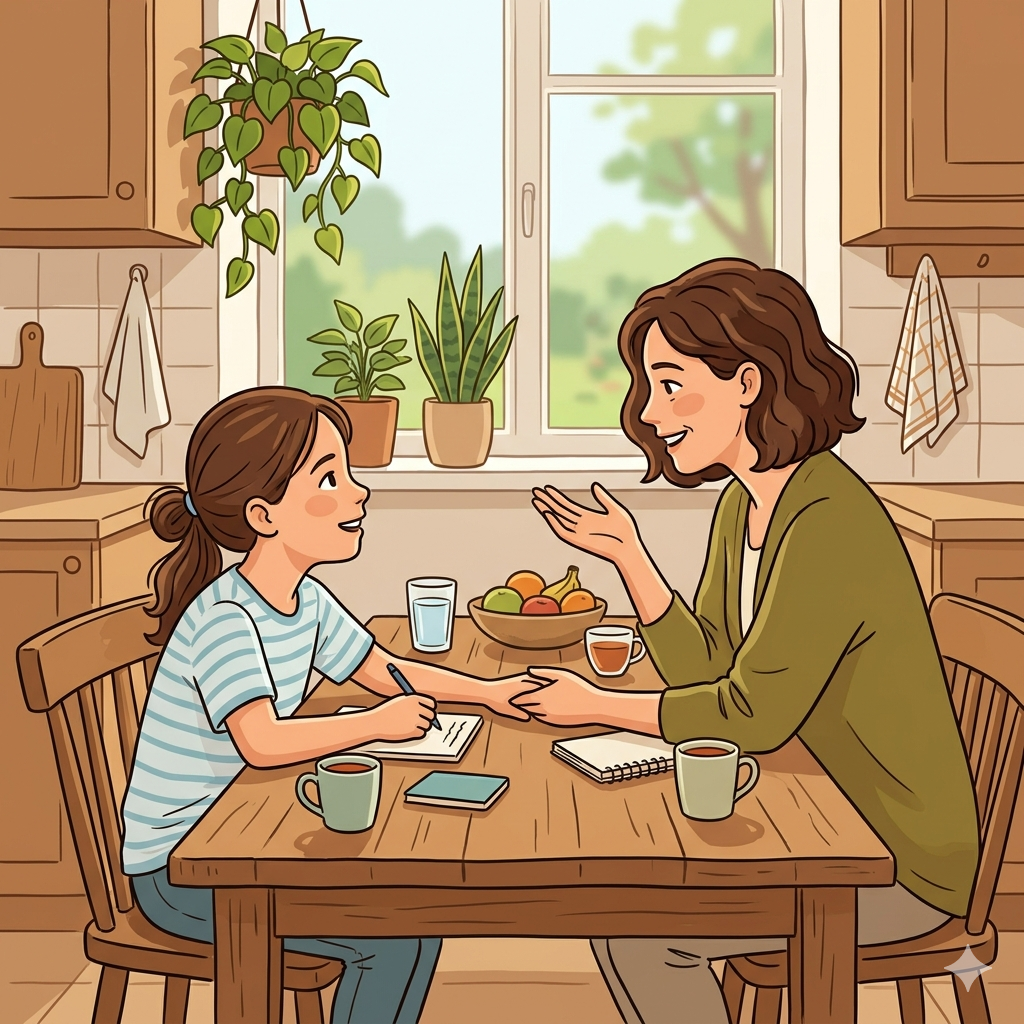
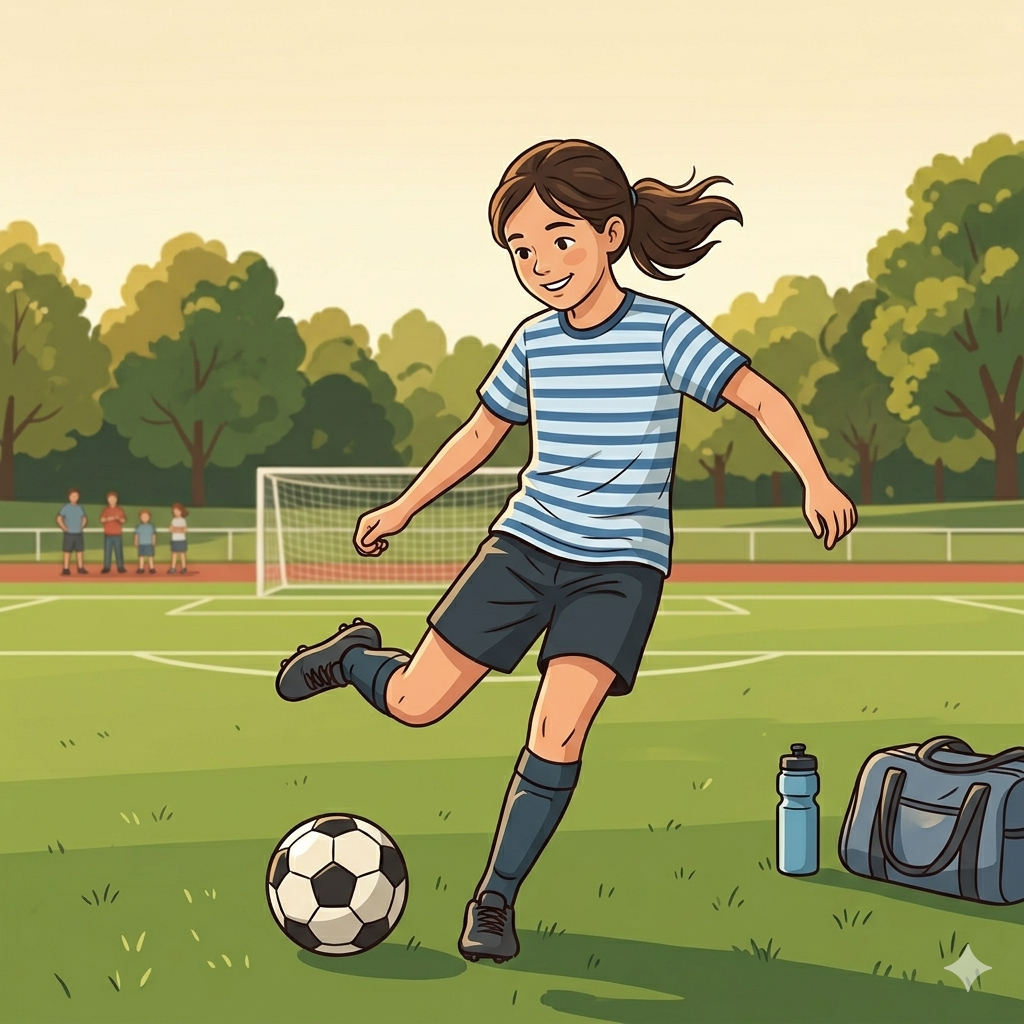
Parents can help by creating opportunities for daughters to explore interests without attaching those interests to performance or popularity. They can encourage activities because they are enjoyable, not because they are impressive. They can show curiosity about who their daughter is rather than focusing exclusively on what she accomplishes.
These experiences help girls develop an internal reference point.
That internal reference point becomes increasingly important during adolescence.
One of the best protections against unhealthy social pressure is a stronger sense of identity.
Girls who know what they enjoy, what they value, and what matters to them are not immune to peer influence. They still care about friendships. They still want acceptance. They still experience insecurity.
The difference is that they have something to anchor themselves to.
When a girl lacks that anchor, social approval becomes much more powerful. Other people's opinions begin carrying information they were never meant to carry.
Belonging Creates a Different Kind of Confidence
This kind of confidence develops gradually.
It grows when girls experience relationships where honesty is safe.
Where differences are tolerated.
Where mistakes do not immediately lead to rejection.
Parents contribute to this process more than they sometimes realize.
The relationship at home often becomes one of the first places a girl learns whether she can be accepted while remaining herself.
Confidence that comes from fitting in tends to be fragile.
It depends on circumstances remaining favorable.
It depends on approval continuing.
It depends on maintaining a certain image.
Belonging creates something more stable.
A girl who feels she belongs understands that relationships can survive imperfection. She does not assume every disagreement threatens connection. She does not believe acceptance requires constant performance.
What Parents Can Remember
A girl belongs when she can remain herself and still feel accepted.
That difference may seem subtle.
For many girls, it becomes one of the most important confidence lessons of adolescence.
Because confidence is not simply believing that other people will like you.
Confidence is knowing that you do not have to lose yourself in order to be liked.
The goal is not helping daughters stop caring about friendships.
Friendships matter.
Belonging matters.
Connection matters.
The opportunity is helping girls understand that belonging and fitting in are not the same thing.
A girl can fit in by becoming whatever other people expect.
