
The "Chore" Rebellion: Moving from Compliance to Contribution
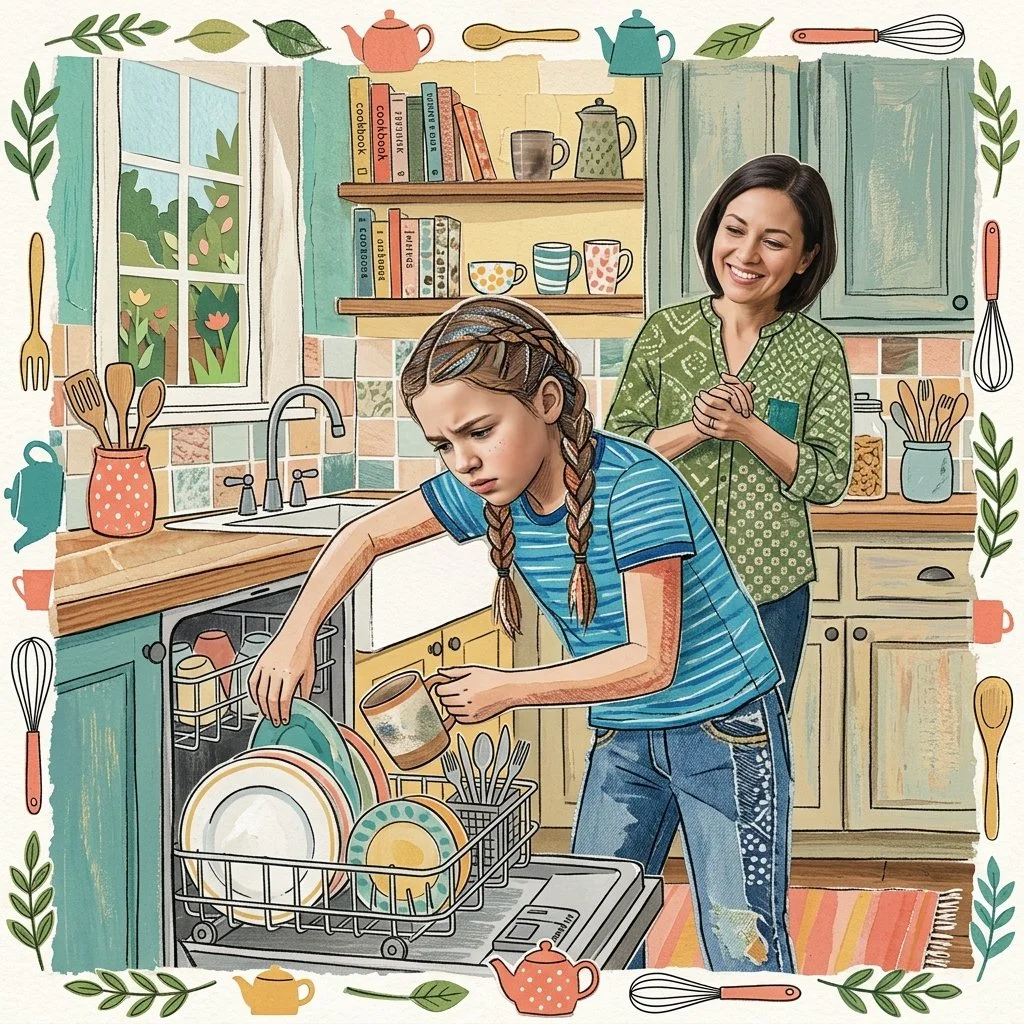
For many parents of tweens, the request to "please unload the dishwasher" or "take out the trash" acts like a tripwire for a major emotional explosion. What should be a simple five-minute task morphs into a forty-minute negotiation, a lecture on responsibility, and, eventually, a slammed bedroom door.
If you are currently trapped in the "chore rebellion" cycle, you are not failing. You are experiencing a normal, albeit frustrating, developmental milestone. Your daughter isn't just refusing to do dishes; she is asserting her autonomy. She is experimenting with the boundaries of her contribution to the family. To move forward, we have to change the framework from compliance- doing something because she’s told to- to contribution, doing something because she is a valued member of the household team.
Why the Rebellion Happens (It’s Not Just Laziness)
When a tween girl pushes back on chores, it’s rarely just about the labor itself. It’s about the meaning of the labor.
At this age, she is feeling the weight of academic pressure, social navigation, and internal identity shifts. When we assign chores, she often interprets them as "one more thing" that makes her feel controlled or undervalued. If the chore feels like a "punishment" or a menial task she’s forced to perform, she will rebel. If she feels like her time is being discounted, she will dig in her heels.
1. From "Command" to "Contract"
The biggest shift you can make is moving away from arbitrary, on-the-spot commands. When you bark, "Do the laundry now!" you are triggering her need to assert independence. Instead, move toward a family contract.
Sit down at a neutral time, not when the trash is overflowing, and have an honest conversation.
The Script: "We’re all living here, and we all have a part to play. I want to respect your time and your independence. What chore would you be willing to own fully so you don't have to hear me nagging you about it?"
By giving her agency, you shift the chore from a mandate to a choice. She is now an owner of that task, not a subject of your requests.
2. The Power of "Ownership" vs. "Helping"
There is a subtle but profound difference between asking a daughter to "help" and asking her to "own." When you ask her to "help," you are implicitly stating that the task is yours, and she is doing you a favor. When she "owns" a task, the responsibility is hers.
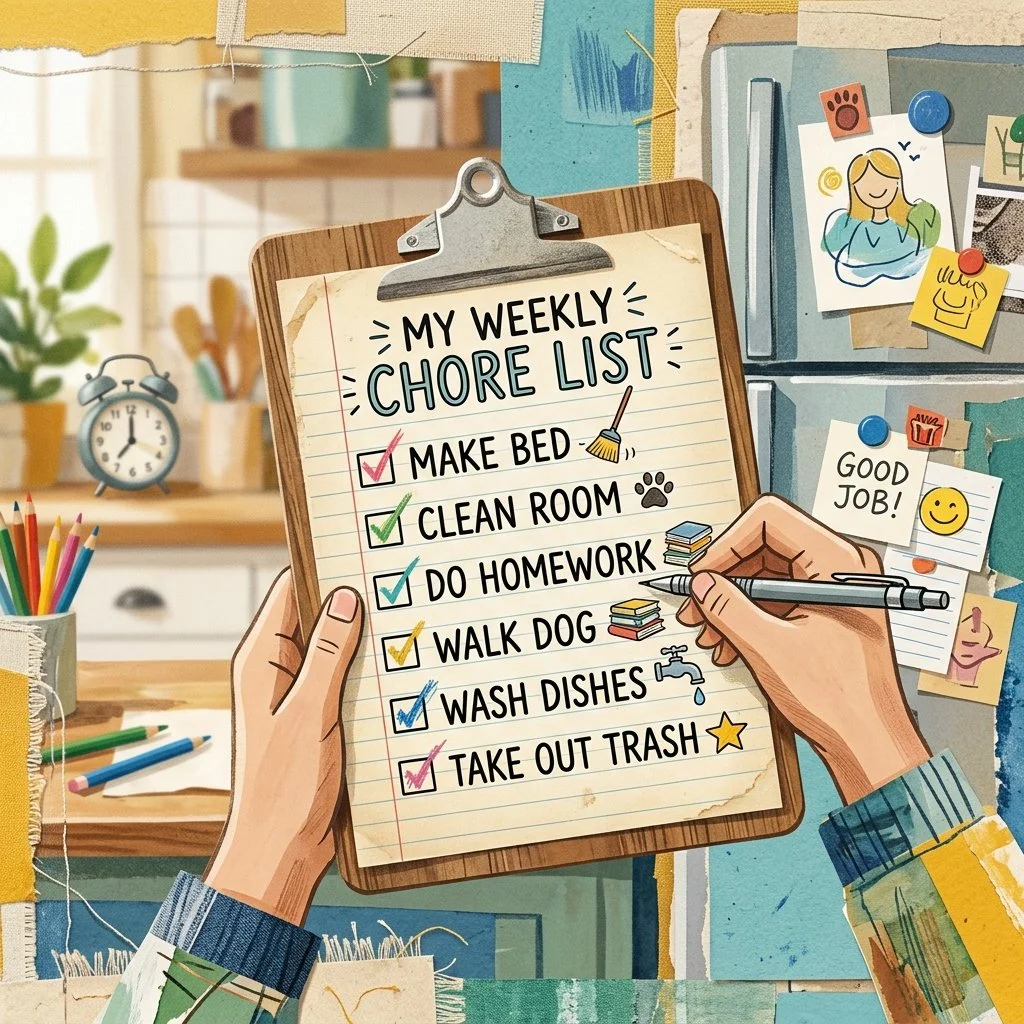
Ownership creates accountability. If she owns the dishwasher, it doesn't matter if it’s done at 4:00 PM or 8:00 PM, as long as it’s done before tomorrow morning. This gives her the freedom to manage her own schedule, which is exactly the kind of independence she is craving.
3. Redefining "Contribution"
If she is deeply resistant to traditional household chores, reframe the conversation around value. Ask her, "What do you think is a fair way to contribute to our home?" You might be surprised. She might offer to meal prep, manage the pet’s schedule, or organize a space that has been bothering you.
When her contribution feels meaningful, when it has a tangible result she can see and take pride in, the rebellion often dissipates. She wants to be seen as a young adult, not a child. Treat her like a partner in the home, and she will begin to act like one.
4. The "No-Nagger" Policy
We have to admit it: constant nagging is the enemy of connection. If you have to ask her five times to do a task, you have inadvertently created a cycle where she learns she doesn't actually have to listen until you reach your "yelling voice."
Try the "Once-and-Done" rule. If you agree on a task, tell her: "I trust you to get this done by [time]. I’m not going to bring it up again." If it’s not done? Don’t nag. Instead, have a pre-agreed consequence that is natural, not emotional. "I noticed the trash wasn't taken out, so I wasn't able to [activity/privilege] because I had to handle it myself." This moves the accountability from you (the bad guy) to her choices (the consequence).
The Goal: Raising a Capable Human
Ultimately, the goal isn't a spotless kitchen. The goal is to raise a human who understands that being part of a community, whether it’s a family, a roommate situation in college, or a future household, requires contribution.
When you frame chores as the price of admission for independence, you move the goalposts. You stop being the "taskmaster" and start being a mentor. This shift takes time, but it transforms your home from a place of conflict to a place of partnership.