
The Lunch Table Conundrum: Handling School Social Pressure
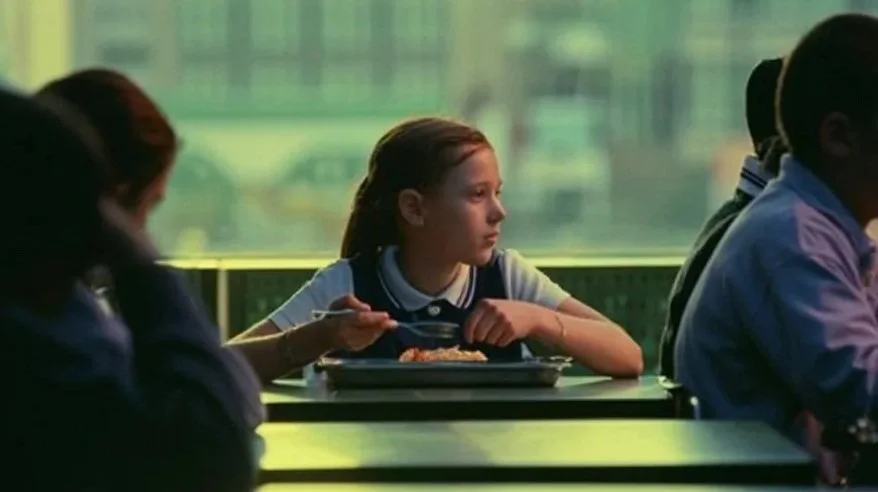
For an adult, a lunch hour is a break—a time to recharge, eat, and breathe. For a tween girl, the lunch hour is arguably the most high-stakes "performance" of her entire day. It is a loud, chaotic, and unforgiving social theater where alliances are tested, hierarchies are reinforced, and the pressure to belong can feel heavy enough to make the food hard to swallow.
We often tell our daughters to "just be yourself" or "find your own people," but that advice feels hollow when she is standing in the middle of a crowded cafeteria, wondering which table she is allowed to sit at. Practical independence isn't just about chores and homework; it is about giving her the tools to survive—and eventually thrive—in the environments where we cannot follow her.
The Anatomy of the Lunchroom
The cafeteria is a microcosm of the social pressures your daughter faces online and in the hallways. It’s where the "Group Chat" drama becomes physical reality. If your daughter is experiencing anxiety about her lunch situation, it’s usually because of three core stressors:
Visibility: Everyone is watching. In the cafeteria, social standing is displayed in real-time. Who is sitting with whom is a public statement of value.
Predictability: Tweens crave security. If the "seating chart" of their friend group changes without warning, it triggers a fight-or-flight response.
The "In-Between": The most painful place to be is not "in" or "out," but in that limbo space where she has acquaintances but no "home base."
Teaching Her to Build Her Own Social Base
Practical independence means shifting her reliance from "being included" to "being the one who initiates." Here is how you can coach her to take control of her lunch hour.
1. The "Open Table" Strategy
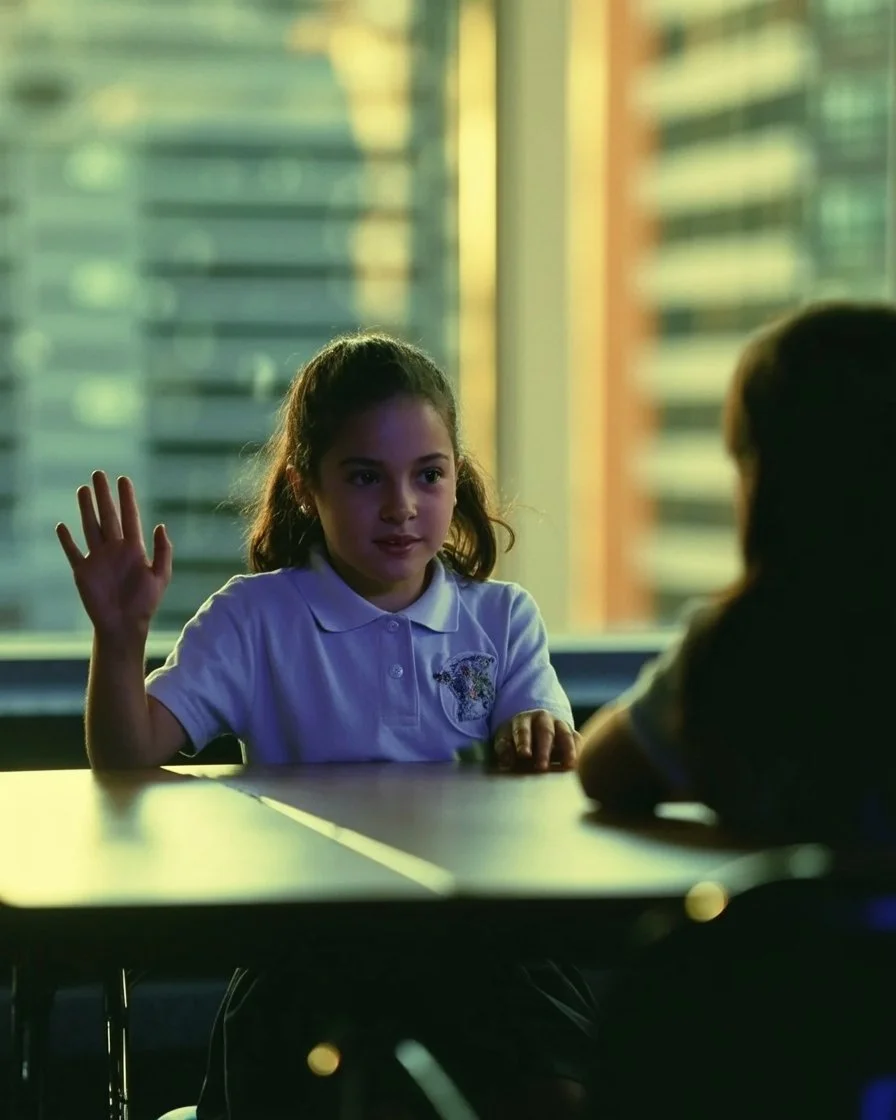
If she feels insecure about where to sit, encourage her to be the "connector." It is much easier to be the girl who invites others to sit with her than the girl who waits to be invited.
The Script:"If you feel like your group is feeling unstable, try finding someone else who looks like they’re also looking for a spot and say, 'Hey, do you want to sit here?' You’d be surprised how many girls are feeling exactly the same way."
Why it works: It shifts her role from passive recipient of social status to active architect of her own social environment.
2. Diversify the Context
When a daughter’s entire social life is tied to one table, she is perpetually vulnerable to the moods of that specific group. Encourage her to engage in "low-stakes" activities where the focus is on a shared task rather than pure social performance.
The Strategy: Encourage her to join a club, work in the library during lunch, or volunteer for a school project.
Why it works: When she is "doing" something, the pressure to perform her personality vanishes. She gains social capital through competence, which is much more stable than social capital based on group popularity.
3. The "Emergency Exit" Plan
Independence doesn't mean she has to suffer through toxicity to prove she can "hang." Help her develop an exit plan for days when the cafeteria feels too hostile.
The Strategy: Identify a "safe harbor" on campus. Maybe it’s a specific teacher’s classroom, the library, or a quieter corner of the quad.
The Empowerment:"You don't have to stay in a situation that makes you feel bad just to keep up appearances. If the cafeteria feels too loud today, it’s a sign to take a break. You have my permission to prioritize your peace."
Coaching Her Through the "Mean" Moments
What happens if she is explicitly excluded? As parents, we want to go to war, but we must stay in our coaching lane.
De-personalize the Pain: Help her see that exclusion is often a reflection of the other girls' insecurities, not her inadequacy. "They are trying to make themselves feel big by making you feel small. It’s a sad strategy, and it says everything about them and nothing about you."
Encourage the "Indifferent Stride": This is a powerful social skill. If she walks past her friends and sees them whispering, teach her to keep her head up, keep moving, and not look for their approval. Indifference is the ultimate neutralizer of social bullying. If she isn't visibly hurt, the "mean" act fails to achieve its purpose.
Building a "Home-Base" Worth Returning To
Practical independence in the cafeteria is hard work. When she comes home from school, she might be emotionally drained from the effort of managing her own social ecosystem.
Make your home the one place where she doesn't have to manage anything. No performance, no social dynamics, no "table" to fight for. Just unconditional belonging. When she knows that she has a rock-solid, inclusive home base, the chaos of the cafeteria loses its power to define her. She learns that she can survive the lunch table because she knows exactly who she is when she leaves it.