
When a Friend Starts Acting Different (And You Don’t Know Why)
Group chats, exclusion, and what to do next
It doesn’t usually happen all at once. There’s no big announcement. No clear moment where everything changes. Instead, it starts small. A message you don’t get, a joke you weren’t part of, or a plan that somehow happened without you knowing.
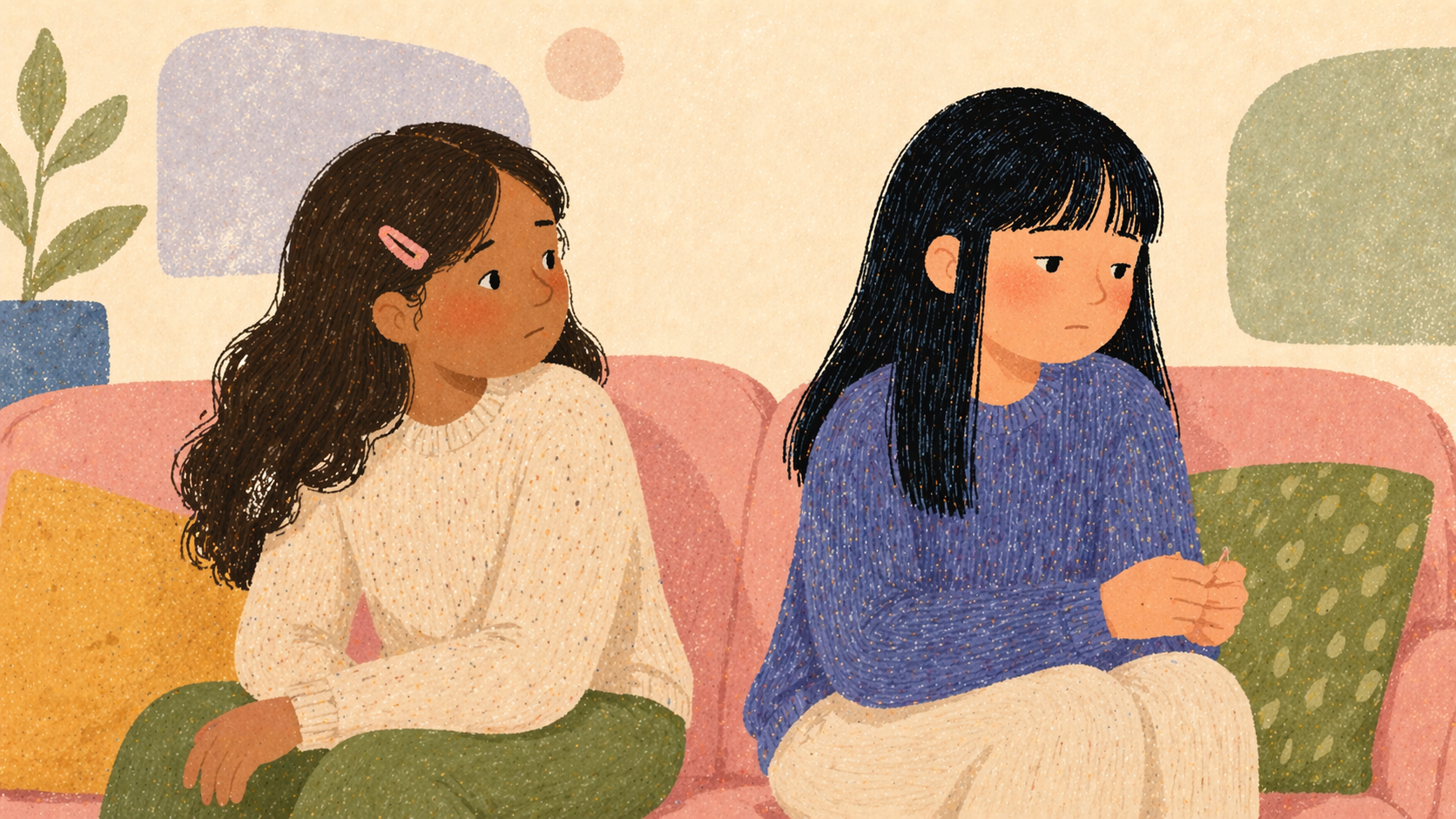
Maybe your friend replies slower than usual. Or not at all. Maybe they’re still “there,” but something feels… off. And you can’t quite explain it—but you feel it. Something is different.
That Feeling? It’s Real
When a friendship shifts, even in small ways, it can feel confusing. One day things feel normal. The next, you’re wondering if you did something wrong.
You might catch yourself thinking:
Did I say something weird?
Are they mad at me?
Why didn’t they tell me?
Are they talking without me?
Your brain tries to fill in the gaps, even when you don’t have all the information. And sometimes, the stories it comes up with aren’t kind. But here’s something important to remember: A change in someone else’s behavior doesn’t automatically mean you caused it.
Why Friendships Sometimes Shift
Friendships, especially during this stage of life, can change quickly. Not because something is “wrong,” but because everything is changing.
People are:
Figuring out who they are
Trying new things
Making new connections
Navigating their own emotions
Sometimes a friend might:
Get closer to someone new
Pull away without realizing it
Act differently in a group than one-on-one
Be dealing with something they haven’t shared
None of this feels great when you’re on the outside of it. But it helps to understand that not every shift is intentional—and not every change is about you.

The Group Chat Thing
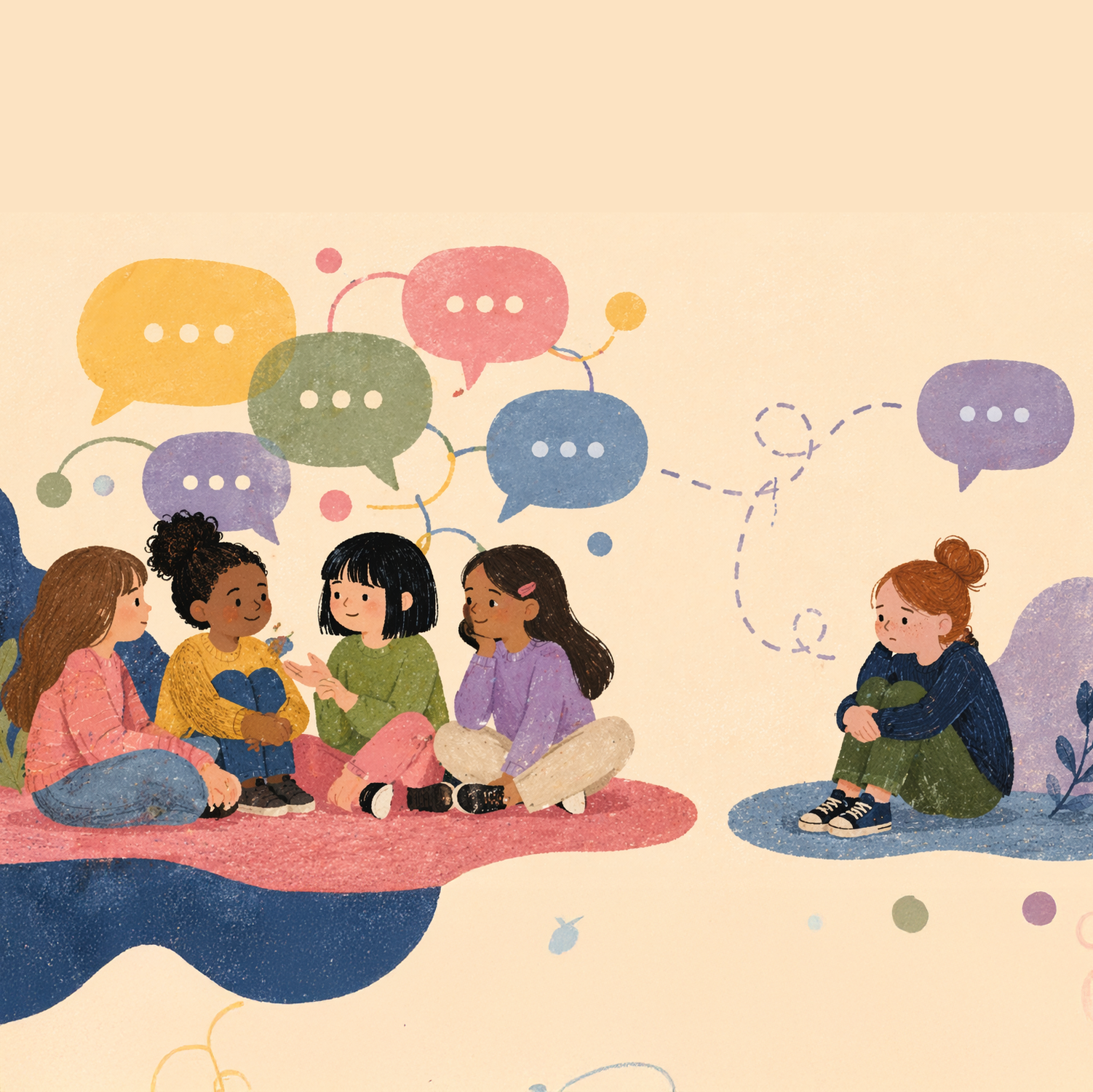
Group chats can make everything feel bigger.
You might see messages piling up without you.
Or realize there’s another chat you’re not part of.
Or notice conversations happening that don’t include you anymore.
And suddenly, it’s not just a feeling. It’s visible. That can sting.
Because group chats aren’t just about messages. They represent connection, inclusion, and being part of something.
So when that changes, it can feel like you’ve changed in their eyes. But here’s the reality:
Group dynamics are messy.
People respond at different times, some conversations branch off, or sometimes things aren’t planned well.
And yes, sometimes people do exclude others. That part is real, too.
The hard part is figuring out which one you’re dealing with.
Before You Jump to Conclusions
When something feels off, it’s natural to want answers right away. But reacting too quickly (especially when you’re hurt), can make things more complicated.
Instead, try this: Pause. Notice what you’re actually seeing (not just what you’re assuming).
Ask yourself:
Is this a pattern, or a one-time thing?
Have they really changed, or am I feeling left out in this moment?
Is there another explanation I haven’t considered?
This doesn’t mean ignoring your feelings. It just means giving yourself a clearer picture before deciding what it all means.
What You Can Do Next
If the feeling doesn’t go away, it’s okay to do something about it. You don’t have to stay stuck wondering.
Here are a few ways to move forward:
1. Talk to Them (When You’re Ready)
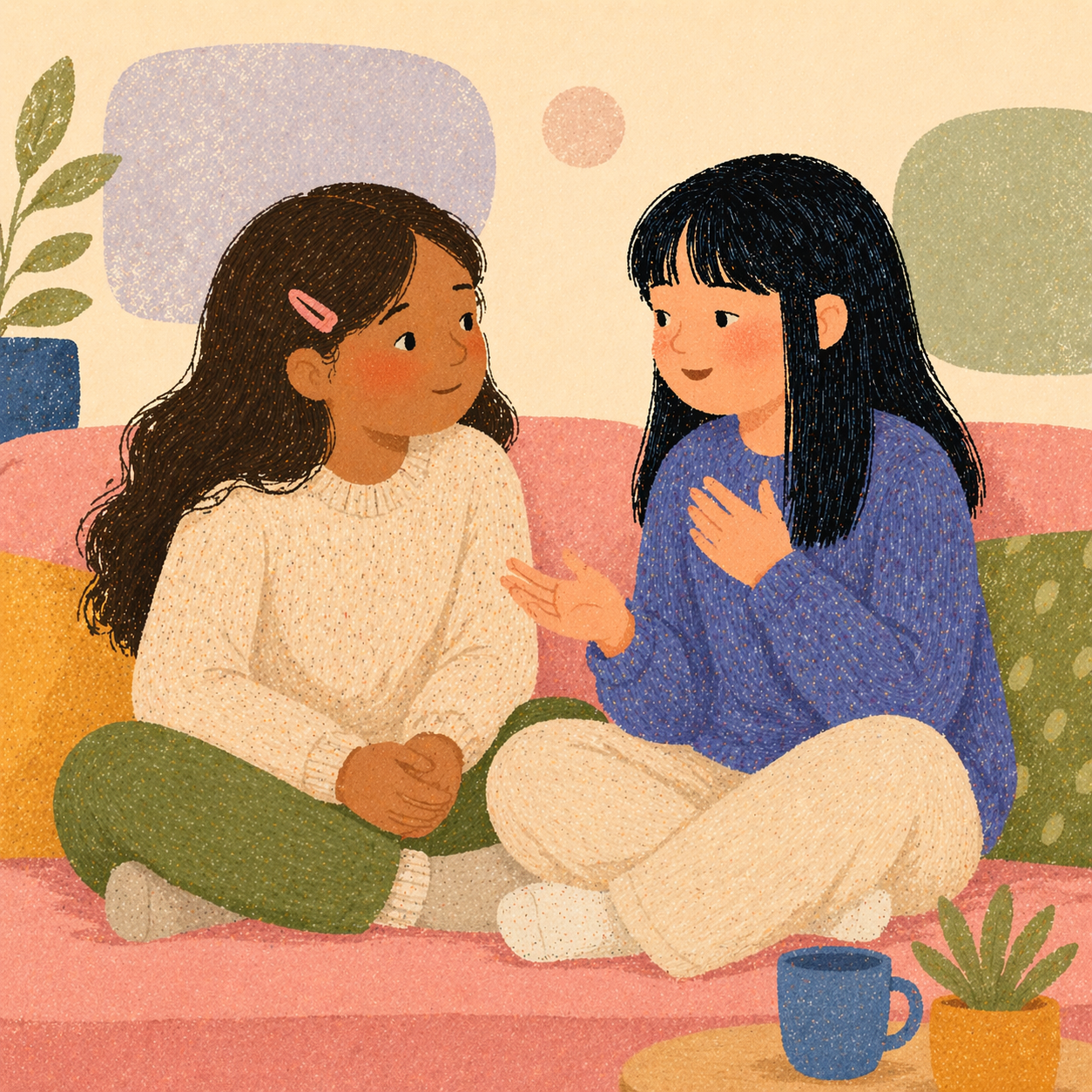
You don’t need a perfect script. Just honesty. You could say something simple like:
“Hey, I feel like things have been a little different lately. Did I do something?”
“I miss how we used to talk more—are we okay?”
Keep it calm and open, not accusing. You’re trying to understand, not prove a point.
4. Keep Your World Bigger Than One Friendship
It’s easy for one friendship to feel like everything—especially when it’s been important to you. But your world is bigger than one person or one group chat.
Spend time with:
Other friends
People who make you feel comfortable
Activities you enjoy
Not as a distraction—but as a reminder that your value doesn’t depend on one situation.
What If You Really Are Being Left Out?
This is the part no one likes to talk about, but it happens.
Sometimes people do exclude others.
Sometimes friendships change in ways that aren’t kind or fair.
If that’s what’s happening, it’s not something you caused by being “too much” or “not enough.” It’s a reflection of how others are choosing to behave.
And while that hurts, it also gives you important information: That this space might not be as safe or supportive as you thought.
2. Pay Attention to How They Respond
Their response will tell you a lot.
Do they:
Try to explain?
Seem surprised you feel that way?
Make space for you again?
Or do they:
Ignore it
Dismiss your feelings
Keep acting the same
Friendship isn’t just about how things used to be—it’s about how someone shows up now.
3. Don’t Shrink Yourself to Stay Included
This one matters. Sometimes, when we feel like we’re being left out, we try to “fix it” by changing ourselves.
Being quieter.
Trying harder.
Going along with things that don’t feel right.
But a real friendship doesn’t require you to become smaller to fit into it. If you have to constantly adjust who you are just to stay included, that’s worth noticing.

You Deserve Clarity And Respect
You shouldn’t have to guess where you stand all the time.
You shouldn’t feel confused more than you feel comfortable.
And you shouldn’t have to chase connection.
Friendship doesn’t have to be perfect—but it should feel mutual.
The In-Between Is the Hardest Part
Not knowing what’s happening is often harder than knowing.
Because your mind keeps going back to the same questions.
What changed?
Why?
What does this mean now?
It’s okay if you don’t have all the answers right away.
Some things take time to become clear.
The Bottom Line
When a friend starts acting different, it can leave you feeling unsure, left out, or even hurt.
Those feelings are valid.
But they don’t mean you did something wrong.
Take your time to understand what’s happening.
Speak up if you need to.
Pay attention to how you’re treated.
And most importantly:
Don’t forget that you deserve friendships where you feel included, respected, and at ease—not constantly wondering where you stand.
Things might change.
People might shift.
But your worth doesn’t move with them.