
When Friendship Drama Starts Feeling Personal
A tween girl does not have that perspective yet.
What looks temporary to a parent can feel permanent to a child.
That difference matters because it shapes how parents respond. When adults dismiss friendship struggles as normal childhood drama, girls often feel misunderstood. At the same time, when parents absorb every friendship problem as a family emergency, girls can begin viewing ordinary social challenges as evidence that something is seriously wrong.
The goal is finding a middle ground.
Parents do not need to minimize the pain. They also do not need to panic alongside their daughter
What helps most is understanding why friendships become so emotionally significant during these years and how parents can provide support without becoming part of the drama themselves.
Few things are harder for parents to watch than a daughter struggling with friendships.
One week everything seems fine. The next week a friendship that looked solid appears to be falling apart. A girl who came home laughing after school suddenly becomes quiet. A group chat goes silent. A sleepover invitation doesn't arrive. A friend who was once mentioned constantly disappears from conversation altogether.
Many parents find themselves riding an emotional roller coaster alongside their daughters during these moments. They want to help. They want to fix the situation. Most of all, they want to protect their child from the hurt that comes with feeling excluded, rejected, or misunderstood.
The challenge is that friendship struggles during the tween years rarely feel small to the girls experiencing them.
Adults often look at these situations through the lens of experience. We know that friendships change. We know that conflicts happen. We know that one difficult social experience does not determine the rest of a person's life.
Friendship Becomes Part of How Girls Understand Themselves
This is why friendship conflicts can sometimes seem larger than the situation itself.
The disagreement may be about a text message.
The emotional reaction is often about belonging.
Parents who understand this distinction are better able to respond to the real issue. Instead of focusing only on the details of the conflict, they can recognize the deeper uncertainty sitting underneath it.
Many girls do not need immediate solutions.
They need help separating a friendship problem from a self-worth problem.
One reason friendship struggles hit so hard during the tween years is that friendships are no longer just friendships.
They are becoming part of identity.
As girls move through adolescence, peer relationships take on a different role than they had during childhood. Friends become important sources of belonging, acceptance, validation, and social feedback. A girl is not simply asking, "Do my friends like me?" She is often asking deeper questions she may not even realize she is asking.
"Do I fit in?"
"Do I matter?"
"Am I enough?"
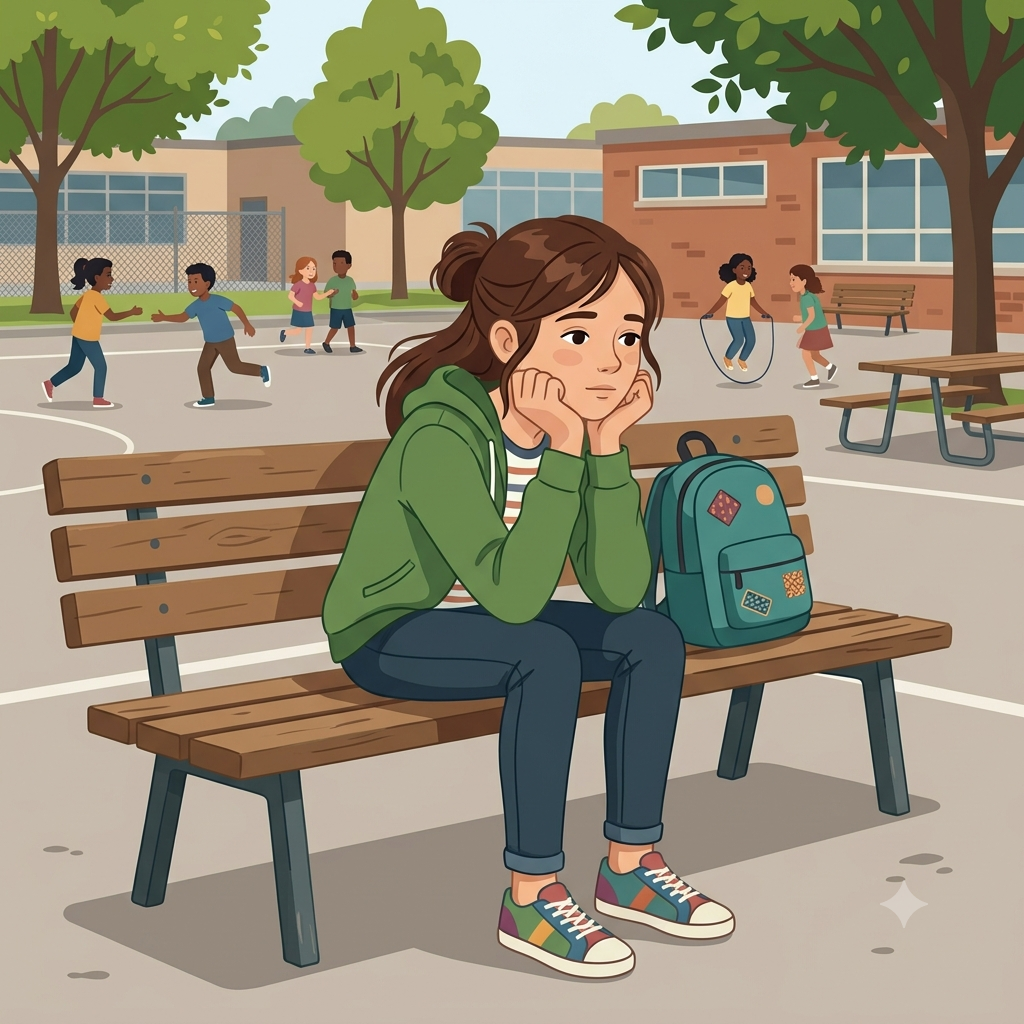
Parents Often Feel the Urge to Fix Things Quickly
This can be surprisingly difficult because adults naturally want progress. We want action. We want solutions.
But friendship conflicts often involve emotions before they involve solutions.
A daughter who feels hurt may not be looking for a strategy. She may be looking for understanding. She wants someone to recognize that what happened mattered to her.
When parents skip directly to advice, girls sometimes hear something different than what was intended.
Instead of hearing support, they hear that their feelings are being rushed past.
Understanding does not mean agreeing with every interpretation. It means taking the experience seriously enough to understand it before trying to solve it.
Watching a daughter suffer socially can trigger a powerful instinct in parents.
The instinct is understandable.
We want to make the pain stop.
We want to call another parent, solve the misunderstanding, provide advice, or reassure our daughter that everything will work out.
Sometimes those responses help.
Often, however, parents move into problem-solving mode before fully understanding what their daughter actually needs.
Many girls initially need something much simpler.
They need someone to listen without immediately trying to repair the situation.
Not Every Friendship Problem Requires Intervention
Parents sometimes unintentionally communicate a lack of confidence in their daughter's abilities when they intervene too quickly. The message is not intentional, but it can sound something like this:
"This situation is too big for you to handle."
Most girls benefit from knowing their parents are available while also believing they are capable.
That balance matters.
A daughter who knows support is available often develops more confidence than a daughter whose problems are constantly solved for her
The goal is not leaving girls to figure everything out alone.
The goal is helping them develop confidence in their own ability to work through challenges.
One of the hardest parenting decisions during the tween years is determining when to step in and when to stay back.
There are situations that absolutely require adult involvement. Bullying, harassment, safety concerns, and repeated patterns of harmful behavior deserve attention.
Many friendship conflicts, however, fall into a different category.
Feelings get hurt.
Misunderstandings happen.
Groups shift.
People make mistakes.
Part of growing up involves learning how to navigate these experiences.
The Story a Girl Tells Herself Matters
Is she treating one disagreement as proof that she is unlikeable?
Is she interpreting exclusion as evidence that she does not belong anywhere?
Is she turning a friendship issue into a statement about her value?
These interpretations often create more suffering than the original event itself.
Parents do not need to dismiss the pain in order to challenge the conclusions.
In fact, the most effective response usually does both.
It acknowledges the hurt while helping a girl see that the hurt does not define who she is.
Two girls can experience the exact same friendship conflict and come away with very different conclusions.
One thinks, "That was upsetting. I hope we can work it out."
The other thinks, "Nobody likes me."
The event is similar.
The interpretation is different.
This is one area where parents can have a tremendous influence.
When a daughter experiences friendship problems, it can be helpful to listen for the story she is creating around the event.

Helping Girls Build Friendship Skills Instead of Friendship Fear
Learning how to tolerate disappointment without assuming the worst.
These skills become difficult to develop when every friendship setback is treated as a catastrophe.
Parents can help by framing friendship challenges as experiences to learn from rather than experiences to fear.
This does not reduce the pain.
It changes the meaning attached to the pain.
A difficult friendship moment becomes part of growing up rather than evidence that something is wrong
Friendship challenges are unavoidable.
Every girl will eventually experience disappointment, conflict, exclusion, misunderstanding, or rejection.
The goal is not helping girls avoid these experiences completely.
The goal is helping them build the skills needed to move through them.
That might mean learning how to communicate directly.
Learning how to repair conflict.
Learning how to recognize unhealthy relationships.
What Girls Remember Most?
They remember whether they felt judged, dismissed, or understood
Parents often feel pressure to have the perfect advice.
In reality, the relationship matters more than the advice.
A daughter who feels understood is often better equipped to navigate friendship challenges than a daughter who receives perfect solutions but feels alone in her experience.
Years later, most girls will not remember every friendship disagreement.
They will not remember every awkward conversation or every shifting social group.
What many do remember is how the adults in their lives responded when those experiences happened.
They remember whether someone listened.
They remember whether their feelings were taken seriously.
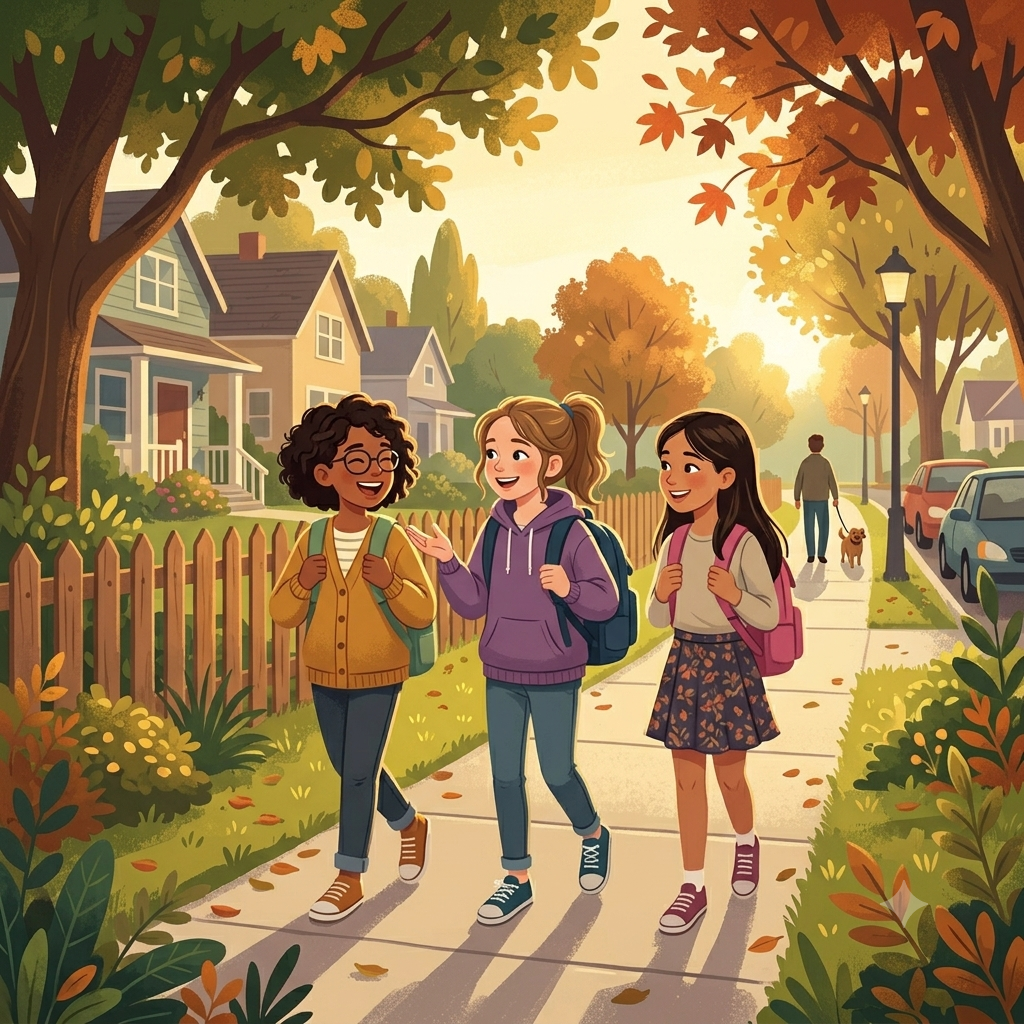
Friendship Problems Are Not Character Verdicts
A friendship can be struggling.
A girl can still be lovable.
A social situation can be painful.
A girl can still belong.
A conflict can feel significant.
A girl can still be okay.
Helping daughters hold those truths simultaneously is one of the most valuable forms of support parents can offer during adolescence.
One of the most valuable lessons parents can reinforce during the tween years is that friendship struggles happen to everyone.
Even socially successful people experience rejection.
Even strong friendships encounter conflict.
Even confident people sometimes feel left out.
These experiences are part of being human.
The danger is not the friendship conflict itself.
The danger is when a girl starts using friendship conflict as evidence about her worth.
Parents play an important role in helping daughters keep those categories separate.
