
Friendship 'Breakups': How to Help Her Process the Loss
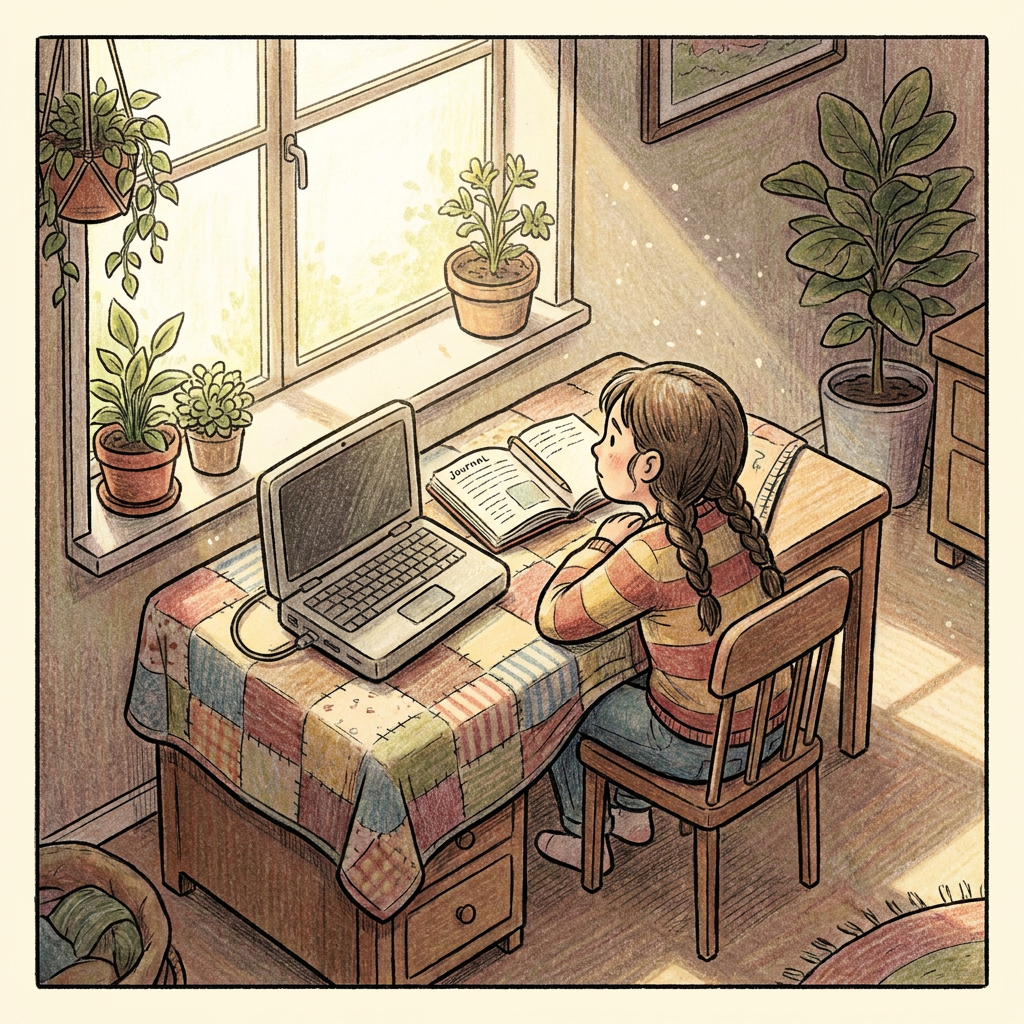
We often talk about the pain of a first romantic heartbreak, but we rarely give the same weight to the "friendship breakup." For a tween girl, a friendship ending—whether it’s a slow fade or a dramatic explosion—can be just as devastating, if not more so, than the loss of a boyfriend.
Friendships at 11, 12, and 13 are the mirrors in which girls see themselves. When a friend walks away, it can feel like a part of their identity is being peeled off. As parents, watching our daughter mourn a friend can make us feel helpless. We want to rush in, blame the other girl, or force a reconciliation, but those actions can inadvertently make the situation worse.
Why Friendship Breakups Feel Like a Crisis
Developmentally, girls at this age are deeply relational. Their social circles provide the validation, context, and "practice" for who they are becoming. When that connection is severed, it triggers a genuine grief response.
It is common for girls to experience:
Physical symptoms: Headaches, trouble sleeping, and a lack of appetite are classic signs that she is carrying social stress.
The "Why" obsession: She will replay conversations, look for "clues" in the group chat, and obsess over what she could have done differently.
A sense of "Social Orphanhood": If she shared that friend with a larger group, she may feel like she has lost her entire social ecosystem, not just one person.
The Parent's Guide to "Holding Space"
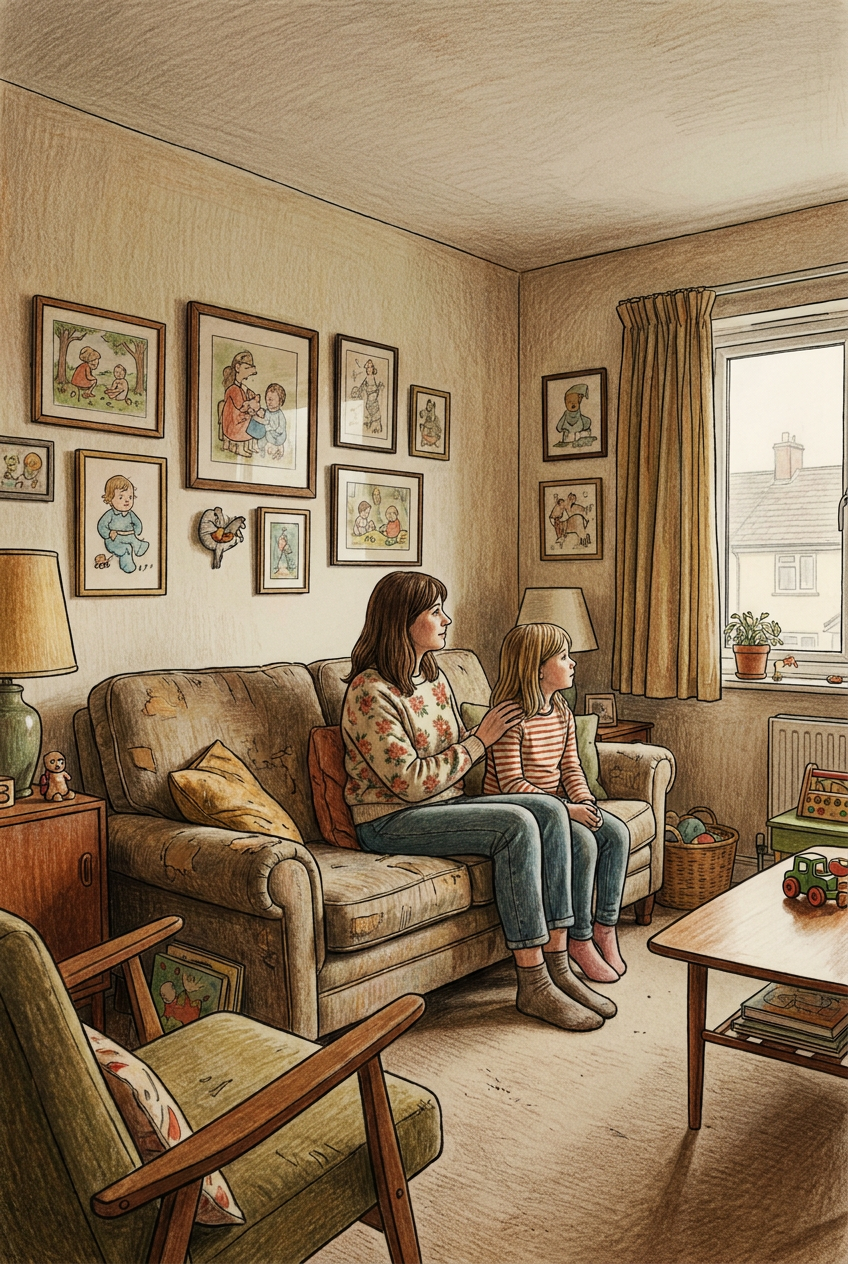
Your daughter does not need you to investigate the drama. She needs you to be the "container" for her big, messy emotions.
1. Validate the Grief (Don't Minimize It)
The most common mistake parents make is trying to "bright-side" the situation. Saying, "You’ll find better friends!" or "She wasn't that nice anyway!" might be true, but it feels like a dismissal of her pain.
Try this instead: "I can see how much this hurts. It’s a real loss, and it’s okay to be sad about it. I’m here for whatever you need." By naming the pain, you allow her to move through it rather than getting stuck in it.
2. Help Her "Depersonalize" the Conflict
A girl whose friend has ended the relationship will inevitably conclude, There is something wrong with me. Your job is to help her separate her worth from the dynamic.
The Script: "Sometimes, people grow in different directions, and that’s not a reflection of your value. It’s just a reflection of where they are in their own journey. You can be a wonderful, kind friend and still not be the right fit for someone else at this moment."
3. Encourage "Digital Distancing"
In the age of social media, friendship breakups are rarely "clean." She will see her former friend’s stories, see them hanging out with others, and have access to their public life. This is like picking a scab.
The Strategy: Gently encourage a "Digital Break." "I know it’s tempting to check her stories, but that’s just going to keep the hurt fresh. What if you muted her for a week so you could have a break from seeing what she’s doing?"
Supporting Her as She Rebuilds
The period following a friendship breakup is an ideal time for "Identity Expansion." When a girl’s social circle shrinks, it leaves a void of time and energy. This is your chance to help her rediscover interests that have nothing to do with her social status.
Renew Old Interests: If she used to love soccer but quit to hang out with that friend, encourage her to sign up for a clinic. If she loved drawing but stopped because her friend thought it was "cringe," buy her a high-quality sketchbook.
The "One-on-One" Bridge: Help her plan a low-pressure, one-on-one hangout with someone she has been curious about. A movie, a walk, or a trip for ice cream can build a new bridge without the pressure of a "group performance."
When to Seek Extra Support
If the friendship breakup is accompanied by signs of depression—persistent withdrawal from all activities, drastic changes in grades, or talk of self-harm—it is time to stop viewing it as a "social issue" and start viewing it as a mental health concern. Don't hesitate to reach out to a school counselor or a therapist who specializes in tween development.
The Lesson of the "Closed Door"
Ultimately, helping your daughter process a friendship breakup is one of the most important lessons in social literacy you can teach her. It teaches her that people come and go, that she is strong enough to survive the ending of a relationship, and—most importantly—that her value is internal.
By staying by her side while she heals, you are showing her that her social circle might be fluid, but her home base is rock solid. And that security is the foundation she will use to build healthy, lasting friendships for the rest of her life.