
How Your Tween Daughter can Ask a Question She Feels Too Awkward to Say Out Loud
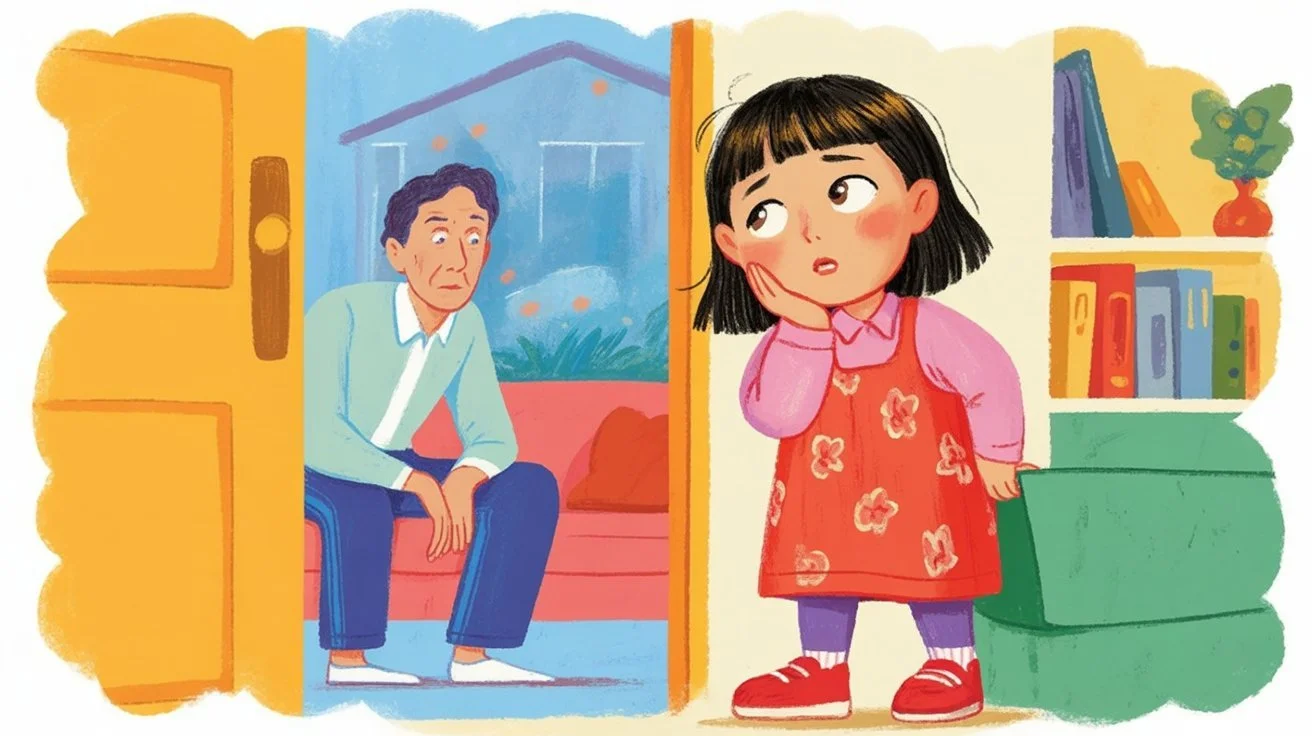
She stands in the doorway and almost asks.
Then she doesn’t.
It is not that she does not want the answer. She does. That is why the question keeps showing up at the worst times. In the shower. Right before bed. In the car when the music is low and there is a quiet opening she could step into.
But the words feel too big once they reach her mouth.
So she says nothing, or she asks something smaller that sounds safer.
“Hey, um… do we have more shampoo?”
The real question stays where it is.
The Problem Is Not The Question
Most of the time, the question itself is normal.
It is about her body, or something she heard at school, or something she saw online that did not make full sense.
What makes it hard is the moment around it.
The pause before speaking.
The fear that it will sound weird out loud.
The look on the adult’s face she is trying to read before she even says anything.
My stepdaughter once sat next to me on the couch, picked at a loose thread on the cushion for a full two minutes, and then asked, “Is it normal for… stuff to be in your underwear?”
She could have asked it in ten seconds.
The waiting made it feel like a bigger question than it was.
What To Do If The Words Still Won’t Come Out
Sometimes even those starts feel like too much.
There are other ways in.
You can text it.
You can write it on a piece of paper and hand it over.
You can say, “I have a question but I don’t know how to say it yet,” and leave it there for a second.
That last one works more than you think.
It buys you time without dropping the moment.
2. Say it’s a little awkward
“This is kind of awkward to ask, but…”
That line does something important.
It tells the other person what is happening before you even ask.
Most adults relax when they hear it. They stop trying to guess what you are about to say and just listen.
1. Start with what you noticed
“I’ve been noticing something and I don’t know if it’s normal.”
You did not jump straight into the detail.
You gave yourself a second to ease into it.
3. Ask for information, not permission
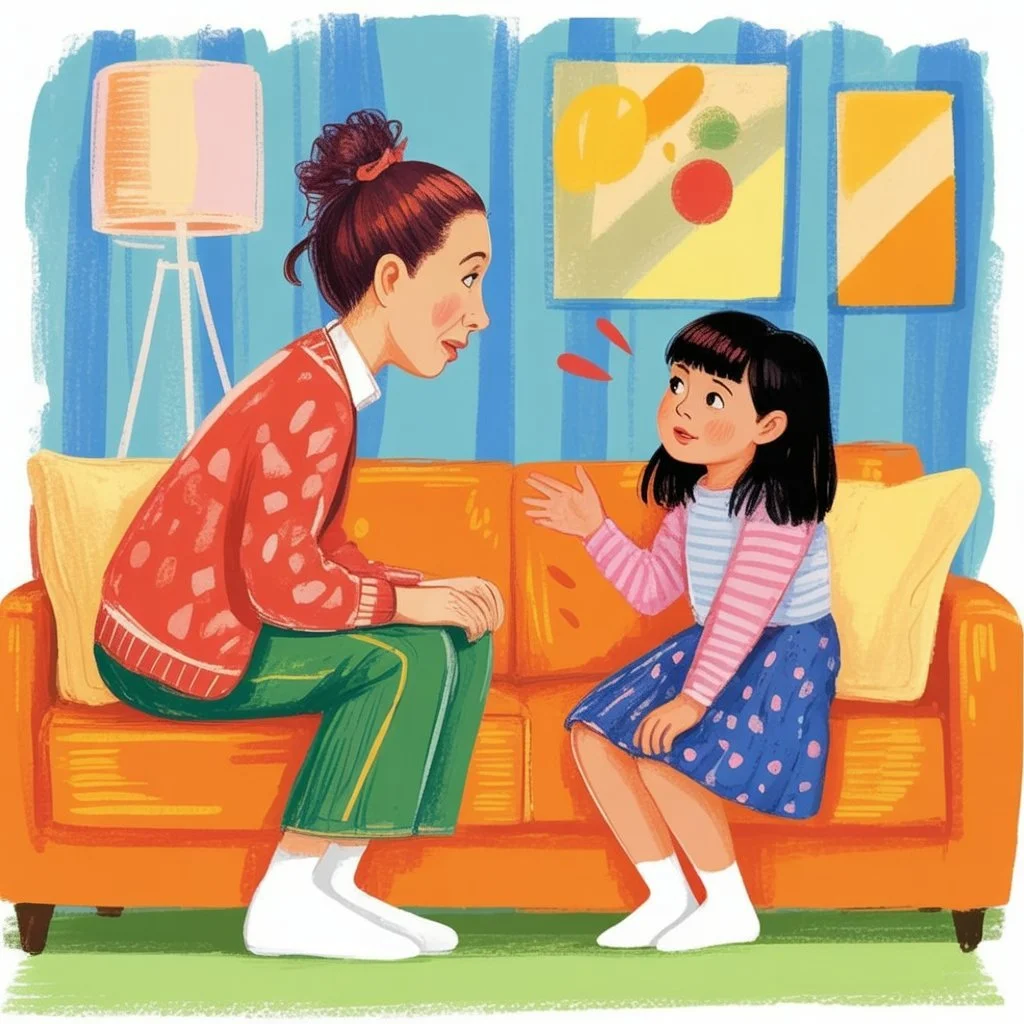
“Can you explain something to me?”
Not “is this weird,” not “should I be worried.”
Just asking for information.
That keeps the question clear.
4. Use a smaller version first
If the full question feels like too much, start one step earlier.
Instead of: “Why does my body look different on one side?”
You can say: “When bodies change, do they always change evenly?”
You are still asking your question.
You just gave it a softer entry point.
What Makes A Question Easier To Say
You do not need perfect words.
You need a way in.
A first sentence that gets you past the hardest part, which is starting.
Think of it like opening a door just enough to step through. Not kicking it all the way open.
Here are a few that actually work.
What A Good Response Looks Like
This part matters, because it shapes whether she asks again next time.
A good response is simple.
It answers the question.
It does not make it a bigger deal than it is.
It does not turn into a long speech.
When my stepdaughter asked about discharge, I did not turn it into a full lesson.
I said, “Yeah, that happens. It’s your body getting ready for your cycle. Want me to show you what that means?”
Short. Clear. Open door for more if she wants it.
She nodded. That was enough for that moment.
The Part That Gets Easier
The first time feels the hardest.
Because you are crossing from thinking to saying.
After that, something shifts.
You remember that the moment did not fall apart.
You got an answer.
You are still okay.
So the next question comes a little faster.
Not easy. Just easier.