
Why You Suddenly Care What People Think (Even If You Didn’t Before)
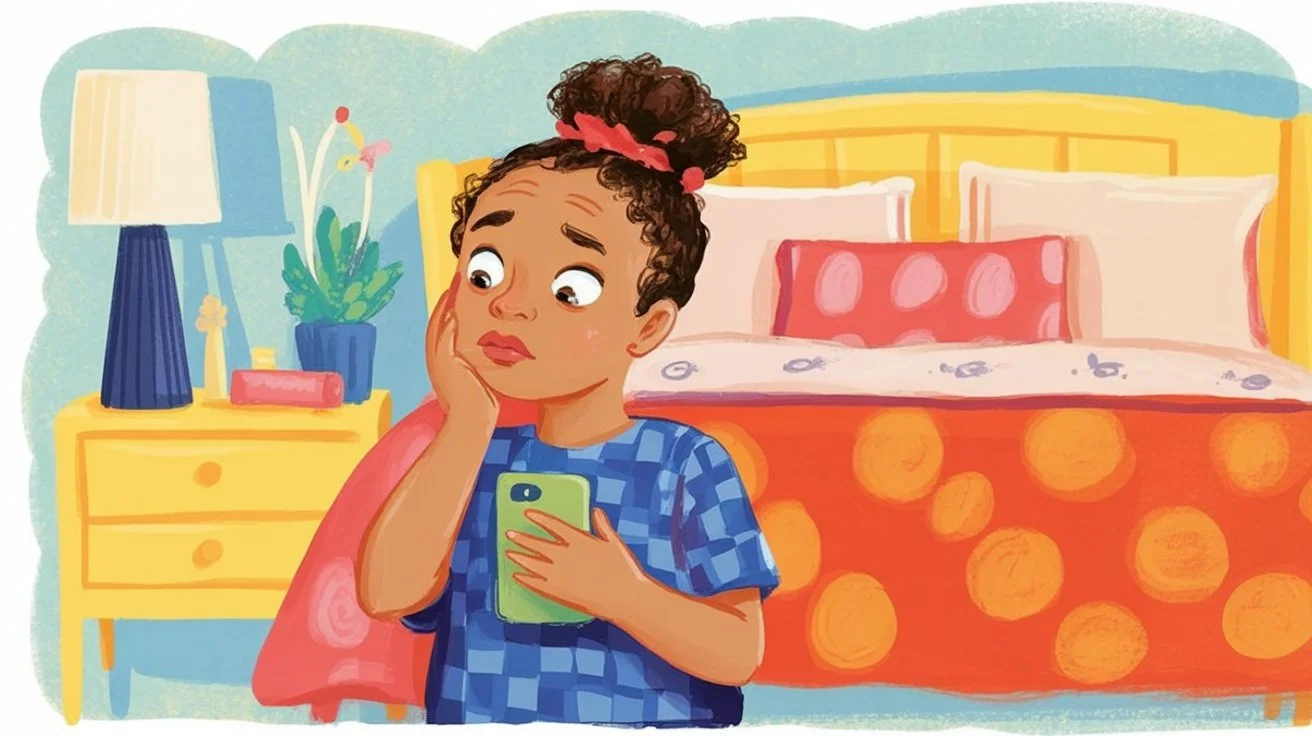
She didn’t used to think about it this much.
What someone said at lunch would land, maybe sting for a minute, then fade by the time she got home. A weird look from a friend didn’t turn into a full replay later that night. She wore what she liked, said what she thought, and moved on.
Then something shifted.
Now she notices who looked at her when she walked into class. She replays a sentence she said three hours ago while brushing her teeth. She checks a message twice before sending it, then again after it’s sent, reading it like someone else might.
Nothing dramatic happened. No big moment where someone announced, “This is the day you start caring.”
It just showed up.
This Is Not Random
It can feel like it is.
Like one day your brain decided to make everything louder for no reason.
But there is a reason.
Your brain is changing how it reads the room.
Before, your focus stayed mostly inside your own world. What you liked, what you thought, what felt fun or annoying in the moment. Other people’s opinions were there, but they didn’t stick.
Now your brain is scanning for something new.
Where do I fit here.
What did that look mean.
Did that sound weird when I said it out loud.
It is like your brain added a second screen. One shows what is happening. The other shows how it might look to everyone else at the same time.
That second screen is what makes everything feel heavier.

Why It Feels So Strong
Because connection matters more now.
Friendships are not just about playing together anymore. They are about belonging. About being included, understood, chosen.
So your brain pays closer attention.
Who got invited.
Who didn’t.
Who laughed.
Who didn’t.
It is collecting data all day, then reviewing it later like game footage.
My stepdaughter once changed her shirt three times before school. Not because she suddenly cared about fashion in a big way. Because the first shirt felt “too noticeable,” the second felt “too plain,” and the third felt like it would let her walk into class without thinking about it.
That is what this looks like in real life. Small decisions that carry more weight than they used to.
The Group Chat Moved Into Your Head
There is a part of your brain that handles emotions fast. It reacts before you have time to think things through. During this stage, that part is running louder than the part that slows things down.
So when something small happens, your brain does not just notice it. It builds a whole conversation around it.
You say one thing at lunch.
By the time you get home, your brain has turned it into a group chat:
That sounded weird.
Why did you say that.
They probably noticed.
Now they think you’re awkward.
No one actually said those things out loud.
Your brain did.
It is trying to prepare you. To help you fit in, avoid mistakes, stay connected.
It just doesn’t know when to stop.

What To Do When Your Brain Won’t Let It Go
You are not going to stop caring. That is not the goal.
Caring is part of how you build friendships and understand people.
But you can change how much control those thoughts get.
Start by separating what actually happened from what your brain added.
What actually happened: you told a joke and two people didn’t laugh.
What your brain added: they think you’re annoying and will talk about it later.
Those are not the same thing.
When you notice the second part, you can answer it.
You can say, even if it is just in your head, “I don’t know that for sure.”
That sentence matters more than it sounds.
It pulls you out of the story your brain is building and back into what is real.


A Simple Way To Check Yourself
Ask one question.
Would I care this much if someone else did this?
If your friend said the same sentence you did, would you be thinking about it hours later?
Usually, no.
You might notice it. Maybe laugh, maybe not. Then you would move on.
That is the gap.
You are holding yourself to a different standard than everyone else.
Not on purpose. Your brain just zooms in on your own moments more than anyone else’s.
The Part That Settles Over Time
Right now, your brain is learning how to balance two things at once.
Who you are.
How you show up around other people.
At first, it swings too far toward what everyone else might think. That is why it feels intense.
Over time, it evens out.
You start to notice which opinions actually matter and which ones fade fast.
You stop adjusting every small thing and start choosing what feels right more often.
That balance does not come from ignoring people.
It comes from seeing clearly which moments deserve your attention and which ones don’t.
What Confidence Actually Looks Like Here
It is not “I don’t care what anyone thinks.”
That is not real, and you can feel it when someone is pretending.
Confidence here is quieter.
It sounds like:
“That might have sounded weird. I’m still okay.”
“I don’t need to replay that again.”
“I can let that sit without fixing it.”
It is the ability to notice the thought and not follow it all the way down.
That takes practice.
It does not show up all at once.
The Part You Don’t See Yet
This awareness you have right now is not a flaw.
It is the early version of something useful.
Reading a room.
Understanding people.
Knowing how your words land.
Those are real skills.
Right now, they feel loud and messy.
Later, they feel steady.
You will still notice things.
You just won’t let every single one of them stay.