
The "Third Wheel" Effect: Navigating Friend Group Shifts

There are few moments in parenting that hurt quite as much as watching your daughter navigate the shifting sands of middle school friendship. One day, she is part of a tight-knit "three best friends" trio; the next, she is the one walking a few steps behind, watching the other two giggle over a shared secret.
The "third wheel" effect is a classic rite of passage in tween girl social dynamics. It is deeply painful, undeniably awkward, and—if managed correctly—an incredible opportunity for her to develop the resilience and self-reliance she will carry into adulthood.
Why Friendships Shift at This Age
To understand why this is happening, we have to recognize that middle school friendships are not just about "liking" someone; they are often about identity testing. Your daughter is in a phase where she is actively trying to figure out who she is, and often, she does this by "trying on" different friendships to see which version of herself feels right.
When a trio shifts, it’s rarely a malicious act of betrayal. More often, it’s a result of one girl in the group having a sudden shift in interests—maybe she’s suddenly obsessed with a new sport, a different type of music, or has begun exploring the complexities of "crushes." These shifts create a natural distance between girls who were once inseparable.

The "Rescue" Instinct: Why We Must Hold Back
When your daughter comes home crying because she feels like the "odd one out" in her friend group, your immediate instinct is to fix it. You might want to call the other parents, suggest she find new friends immediately, or tell her exactly what to say to "win them back."
Resist this.
If you intervene, you signal to your daughter that she is incapable of managing her own social ecosystem. Furthermore, if you force the other girls to include her, you have only made her social standing more precarious. The goal isn't to get her back into that specific trio; the goal is to help her build a sense of self that is secure enough to withstand the temporary discomfort of social transition.
Actionable Ways to Coach Her Through the Shift
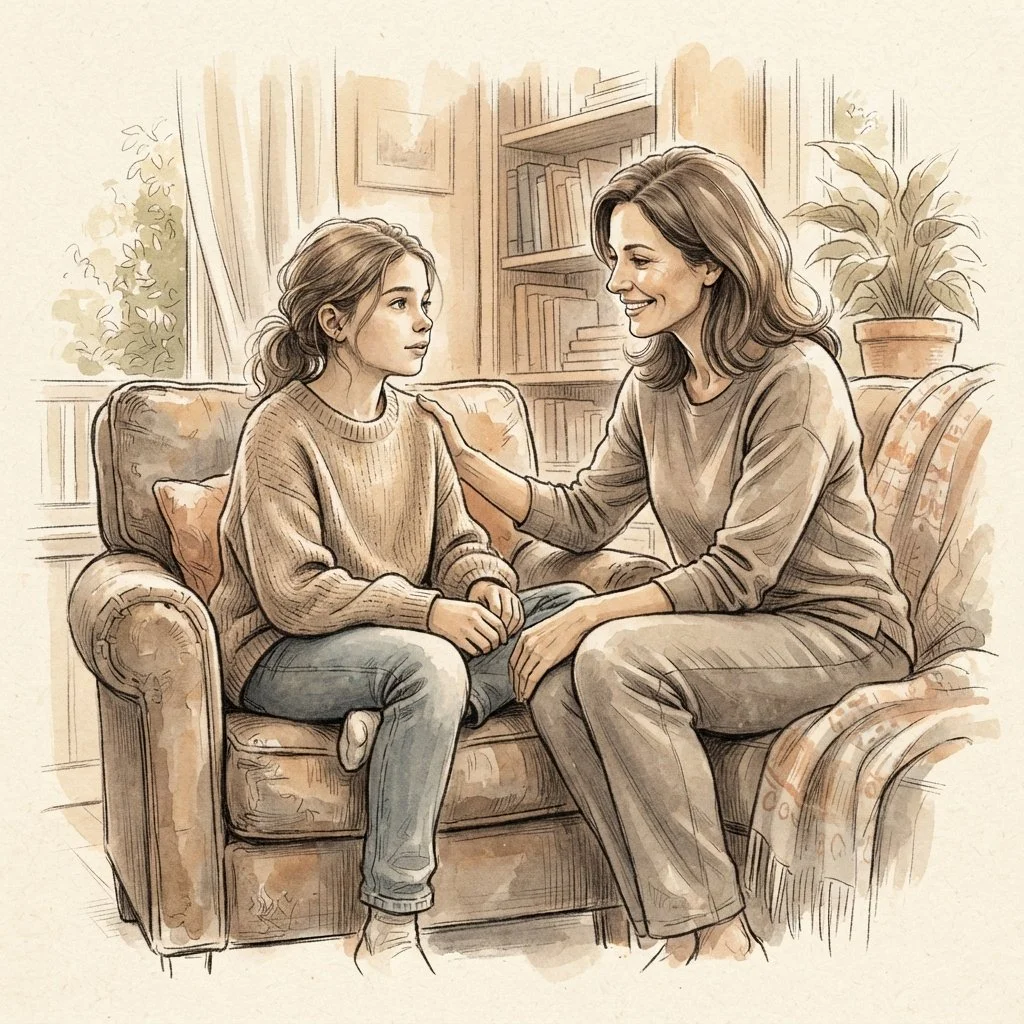
Instead of acting as a social manager, act as a social coach. Use these strategies to help her regain her footing:
1. Validate, Don't Minimize
"Oh, don't worry about it, you'll find new friends," is well-intentioned, but it feels like a dismissal of her current pain. Instead, try: "It makes total sense that you feel left out right now. It is really hard to feel like you’re on the outside looking in. I’m sorry you’re experiencing this." Validation gives her the space to process her feelings rather than bottling them up.
2. Broaden Her "Social Portfolio"
When a girl is hyper-focused on one group, any shift feels like a tragedy. Help her diversify her social portfolio. Encourage her to engage with people outside that trio: a girl from her math class, a teammate from her sports activity, or a neighbor. When she has multiple "social anchors," the instability of one group becomes less catastrophic.
3. Ask "Identity Questions"
Instead of focusing on them (e.g., "Why are they being mean?"), focus on her. Ask: "What do you actually enjoy doing when you're with them?" or "Do you feel like you can be your true self when you're in that group?" Sometimes, the "third wheel" effect is a sign that she has outgrown the group’s values or interests. Helping her realize she might not actually fit in anymore can be an incredibly empowering epiphany.
4. The "Security of Home" Base
The digital age makes social exclusion feel constant. She sees their photos, she sees them talking in the group chat, and the exclusion follows her home. Make your home a "social fortress" of unconditional validation. Ensure she has interests that have nothing to do with those friends—hobbies, family time, or solo passions—so that her sense of worth is tied to who she is, not who she is hanging out with.
The Beauty of the "Solo" Period
There is a powerful lesson in being a "third wheel" or even being on your own for a while: It teaches you how to be comfortable in your own company.
When your daughter learns that she can survive—and even thrive—when the group dynamic shifts, she becomes a more independent and self-assured young woman. She learns that she is the only person who can define her value. By supporting her through this uncomfortable transition rather than rushing to fix it, you are giving her the greatest gift of all: the knowledge that she is enough, even when the crowd isn't cheering.