
What's Really Happening in Tween Girl Friendship Breakups
Friendship breakups and mean girl moments at ages 8-12 aren't random cruelty. Here's the developmental reason behind them and how parents can actually help. Many parents are caught off guard by how suddenly a close friendship can seem to fall apart during the tween years. A girl who talked about her best friend every day may suddenly come home eating lunch alone, convinced she'll never fit in again. To adults, these friendship breakups can seem confusing or unnecessarily dramatic. To tweens, they often feel deeply personal because friendships at this age play a major role in how they understand themselves and where they belong.
What's Actually Happening When Tween Girls Turn on Each Other
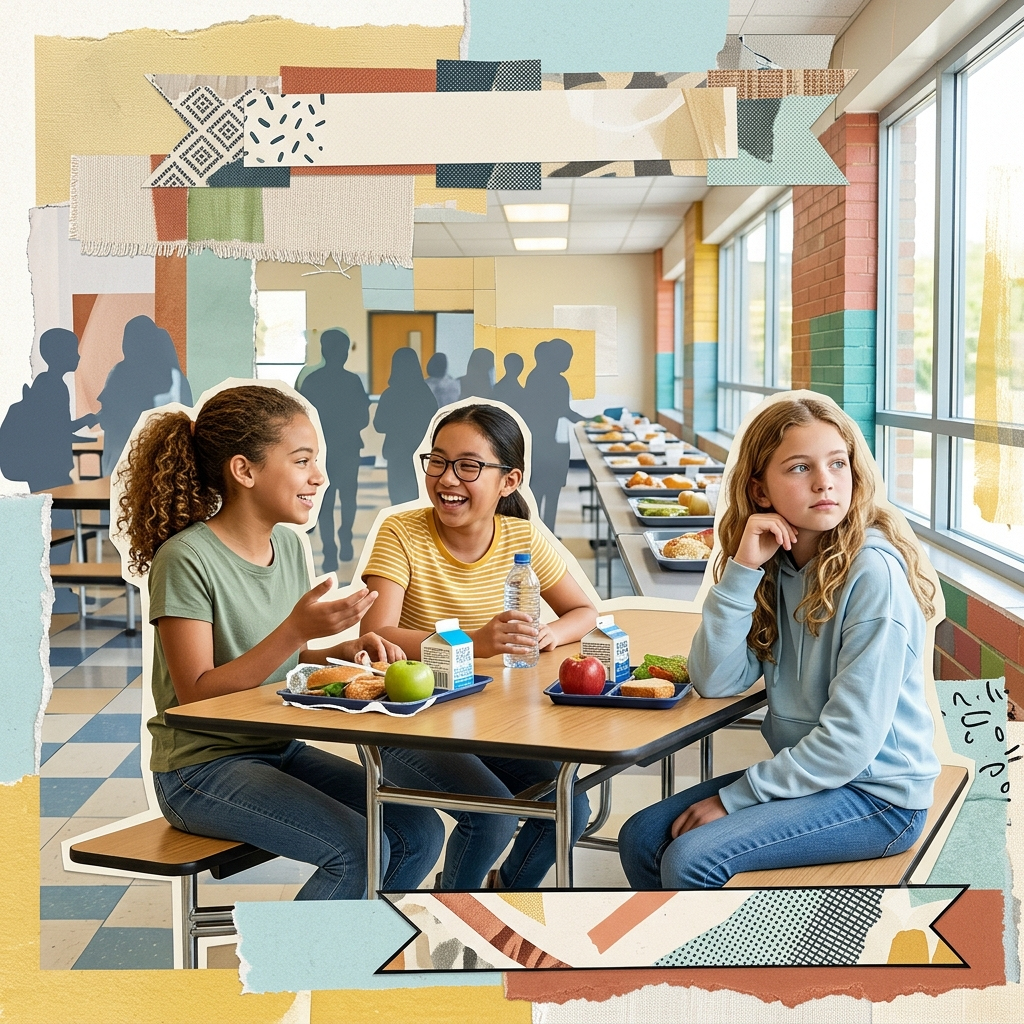
My daughter's best friend since first grade stopped sitting with her at lunch, no explanation, no fight beforehand. When I asked around, it turned out a third girl had joined the pair, and my daughter had simply become the odd one out in a group of three, with no single moment either of the other girls could point to as the reason.
That's a far more common shape for these breakups than the movie version of a dramatic falling out. Most of it isn't cruelty. It's a group of girls figuring out social hierarchy for the first time, with none of the skills yet to do it kindly.
Why This Age Produces So Much Friend Turnover
Around eight to twelve, girls become newly capable of complex social reasoning, tracking who's friends with whom, who said what, how a group's loyalty is shifting. That skill arrives well before the skill to manage it with any grace. The result is a lot of testing behavior: excluding someone to see what happens, forming temporary alliances, using information as currency. It looks calculated from the outside. It's usually closer to a group of kids running social experiments they don't fully understand the consequences of yet.
Groups of three are a particularly common source of pain at this age, because three doesn't divide evenly. Someone is always temporarily on the outside, and that position rotates in ways that can feel devastating to whichever girl is currently in it, even though it's often not personal or permanent.
Why It Hits Her Identity, Not Just Her Mood
At this age, a lot of her sense of self is still built externally, through the reflection she sees in how her friends treat her. When a friend group shifts against her, even briefly, it doesn't register as "my friends are busy this week." It registers as "something is wrong with me," because she doesn't yet have a strong enough internal sense of herself to separate the two.
That's the real reason a friendship shift at this age can produce a reaction that looks disproportionate to adults. It's not disproportionate to her. It's hitting the exact spot where her identity is still under construction.

What Not to Do
Don't call the other girl a mean girl in front of your daughter, even if the behavior looks unkind from the outside. Labeling a peer that way tends to freeze the situation into villain and victim, which makes it harder for your daughter to consider her own part in the dynamic or to reconcile later if that's what she wants. Most of these situations are more fluid than a clean villain narrative allows for.
Don't intervene directly with the other girl or her parents unless there's a safety issue, repeated targeted cruelty, not the ordinary shifting alliances of this age. Direct intervention usually removes your daughter's chance to practice navigating the situation herself, and it can make her more of a target rather than less.
What Actually Helps
Name what happened factually before offering any interpretation: "You got left out of the lunch table today." Let her fill in her own meaning before you supply one. Often what she needed most was confirmation that what happened, actually happened, not a diagnosis of what it means.
Ask her what she thinks is going on, rather than telling her. She may already sense the group dynamic more clearly than you'd expect. Your job is to help her think it through, not hand her a conclusion.
Help her separate the event from her worth directly: "Getting left out today doesn't mean something's wrong with you. It might mean the two of them wanted time together, or it might mean nothing you did caused it at all." State it plainly rather than as reassurance she has to accept on faith.
Encourage a wider circle of friendships rather than one best friend her whole sense of belonging depends on. This isn't about discouraging closeness, it's about making sure one friendship's rough patch doesn't take her entire social world down with it.
The Skill Underneath All of This
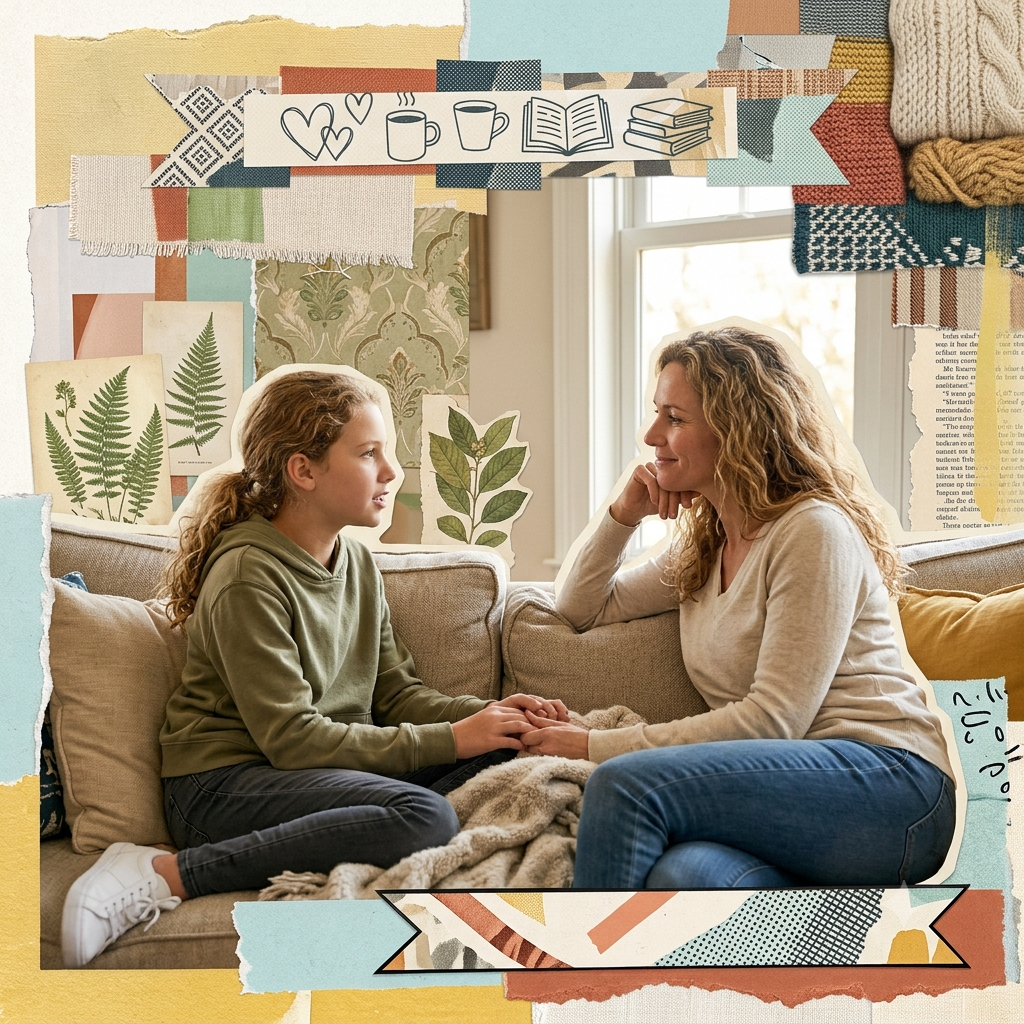
Every one of these situations is practice for something she'll need for the rest of her life: staying steady when a relationship shifts in a way she didn't choose and can't fully control. She won't get good at that by avoiding the pain of it. She'll get good at it by going through it with someone steady beside her, helping her name what happened accurately instead of catastrophizing or dismissing it.
I want to help girls stay grounded in who they are even when the people around them shift. Most of that grounding gets built in exactly these ordinary, painful lunchroom moments, not in the big dramatic ones.