
When Your Daughter Gets Her First Crush
You almost missed it.
She said a name at dinner. Casually, like it was nothing. But it was the third time this week and there was something in her voice that was slightly different from how she talks about anyone else.
You did not say anything.
You filed it away.
And now you are trying to figure out what, if anything, you are supposed to do with it.
Here is the thing about first crushes. They feel enormous to her and they can feel surprisingly loaded to you, for reasons worth understanding. How you handle this moment, the way you respond or do not respond, the questions you ask or the jokes you make, sets something in place that is hard to undo.
This is one of those small moments that carries more weight than it appears to.
What Is Actually Happening for Her
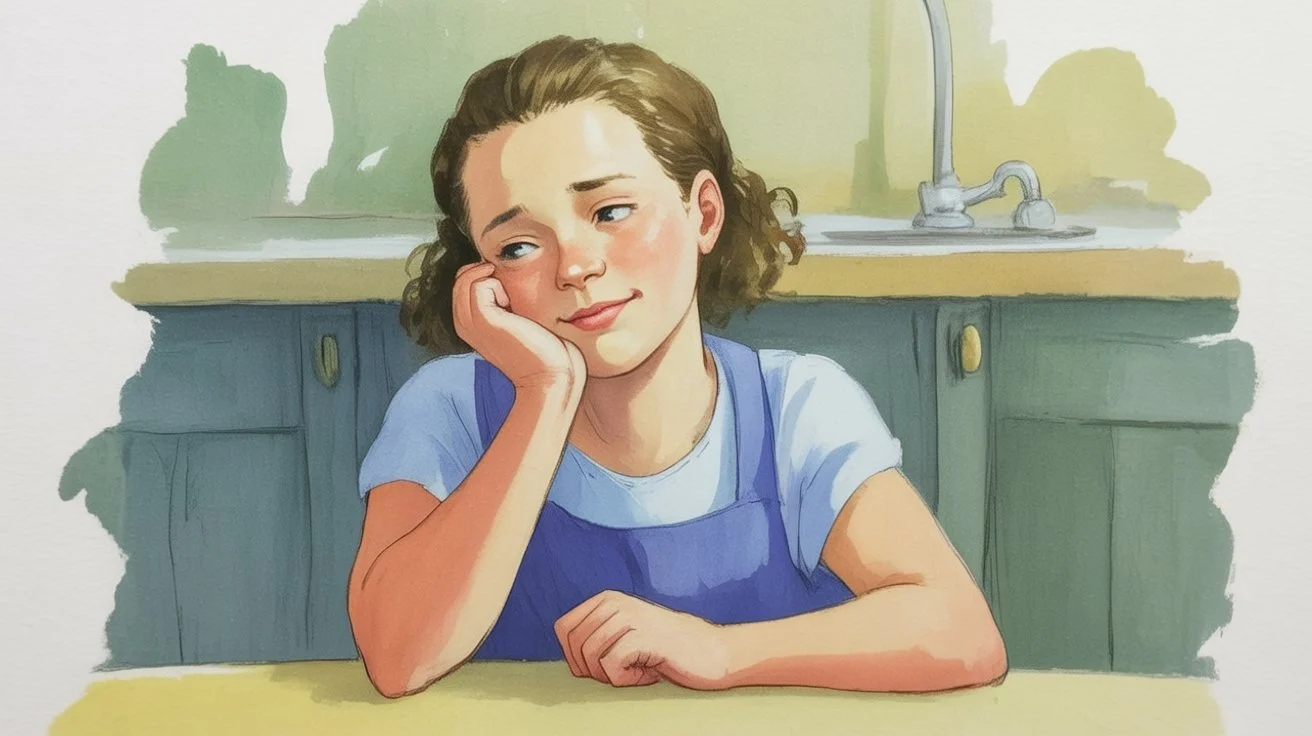
A crush at this age is not what adults mean when they talk about romantic feelings.
It is something earlier and more elemental than that.
It is the first time her brain has produced a strong, sustained interest in a specific person that feels different from friendship. It is confusing. It is often accompanied by physical symptoms she does not have words for yet. A stomach that does something strange when that person walks by. A heightened awareness of where they are in a room. A replay of ordinary interactions that would not normally warrant a second thought.
The feelings are real. The capacity to act on them maturely is still developing. And the gap between those two things is where most of the intensity lives.
She is not looking to do anything with this feeling, not in any meaningful way. She is just having it. Processing it. Trying to figure out what it even is.
And she is almost certainly doing that alone, unless you give her a reason not to.
Why Parents Get This Wrong
Most parents fall into one of two patterns when they sense a crush is forming.
The first is teasing.
It feels playful. It feels like connection. A raised eyebrow. A knowing smile. "Ooooh, who is this person?" said with a little too much enthusiasm.
She shuts down immediately.
Not because she cannot take a joke. Because in that moment, the thing she was just barely considering sharing with you became something to be laughed about. And she will not make that mistake again.
The second pattern is the opposite. Over-seriousness. Concern. A sudden pivot into a talk about relationships and boundaries and what is appropriate at her age.
That also ends the conversation fast.
She was not asking for a lesson. She mentioned a name. She wanted to see what would happen.
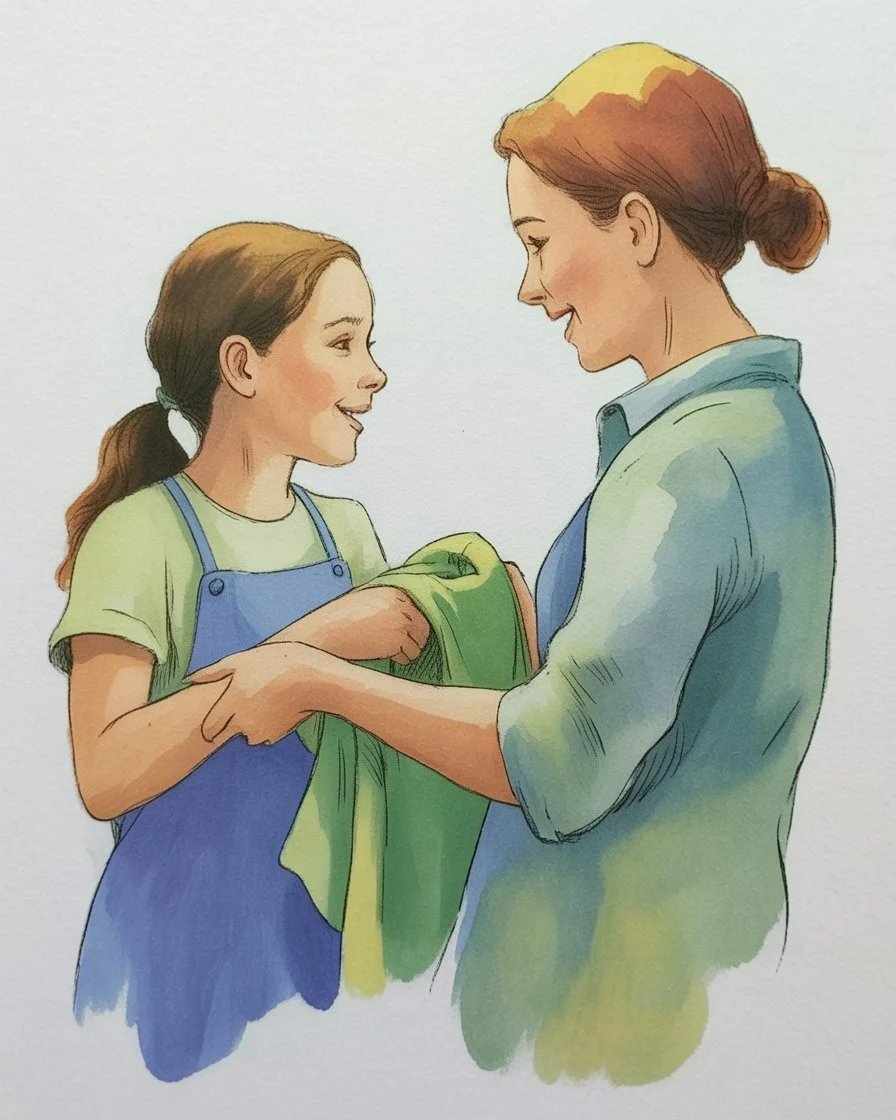
What she needs is a response that is warm, calm, and completely unbothered. A response that signals: this is not a big deal in a bad way, and it is also not something to be made fun of. It is just a normal thing that is happening and you can tell me about it if you want.
That is a harder response to give than it sounds, because it requires you to manage your own reaction in real time.
What Not to Ask
There are questions that feel like interest but function like interrogation.
"Have you talked to him?"
"Does he like you back?"
"Have you told your friends?"
"What are you going to do about it?"
Each of these pushes her further into territory she may not be ready to navigate out loud. And each of them subtly frames the crush as a situation requiring action rather than simply a feeling worth acknowledging.
She does not need to do anything about it.
She does not need a plan.
She needs to know that having these feelings is normal and that she does not have to hide them from you.
The questions you ask should open space, not fill it.
"How does that feel?" is better than "What are you going to do?"
"Do you want to talk about it?" is better than a list of follow-ups before she has decided how much she wants to share.
What to Say and How to Say It
The goal of your first response is simple.
Keep the door open.
That is it. You are not trying to extract information. You are not trying to deliver wisdom. You are just making sure she knows she can keep talking if she wants to.
A few responses that tend to work:
If she mentions the name casually, let it be casual.
"Oh yeah? What is he like?" or "She sounds fun. How do you know her?"
Treat it like she mentioned any other person she spends time around. Interested, but not loaded.
If she actually tells you she likes someone, resist the urge to make a face.
"That makes sense. What do you like about them?"
You are taking her seriously without turning it into an event.
If she seems embarrassed after she said something, do not let the embarrassment become the story.
"You do not have to say anything else about it. I am just glad you told me."
That last one is important. It removes pressure while keeping the connection. She told you something real. You received it without making her regret it. That is the whole win.
The Instinct to Warn Her
Here is where a lot of parents, especially parents of girls, add something they believe is important.
A caution. A gentle reminder about not getting too caught up in it. A comment about how young she is. A brief mention of heartbreak, or distraction, or keeping things in perspective.
It comes from a real place. You have been through things she has not. You know that feelings this big do not always end well. You want to prepare her.
But delivering that warning in the same breath as her first time telling you about a crush sends a specific message.
It tells her that having these feelings is something you are a little worried about. That this thing she is experiencing is a risk to be managed rather than a part of growing up you can both look at together without alarm.
Save the bigger conversations for when they are actually needed. When something is happening, not just when something is felt.
For now, let her have the feeling without a disclaimer attached to it.
There will be time for the more complex conversations. They land better when they are not tangled up with the first moment she trusted you with something tender.
What to Do When She Does Not Tell You
Some girls will not mention it.
Not because something is wrong. Because this is a private thing and she is not ready, or she does not have the vocabulary for it yet, or she genuinely prefers to sit with it alone for a while.
That is fine.
You do not need to surface it.
What you can do is create a general atmosphere that makes it easier for her to bring things to you over time.
Talk about feelings in your own life, briefly and without drama. Mention things that made you happy this week. Reference a story about when you were her age in passing, without turning it into a lesson. Let her hear that you have an inner life that includes feelings you navigate.
The more normal it is for feelings to be mentioned in your house, the lower the barrier is for her to mention hers.
You are not engineering a confession.
You are just making the door a little wider so that when she is ready, walking through it does not feel like a big moment.
If She Comes to You Upset About It
Crushes do not always feel good.
Sometimes she likes someone who does not like her back. Sometimes there is a friend involved and it gets complicated. Sometimes the person is kind to her one day and ignores her the next and she cannot figure out why.
When she comes to you with the painful version of this, everything from the earlier posts applies.
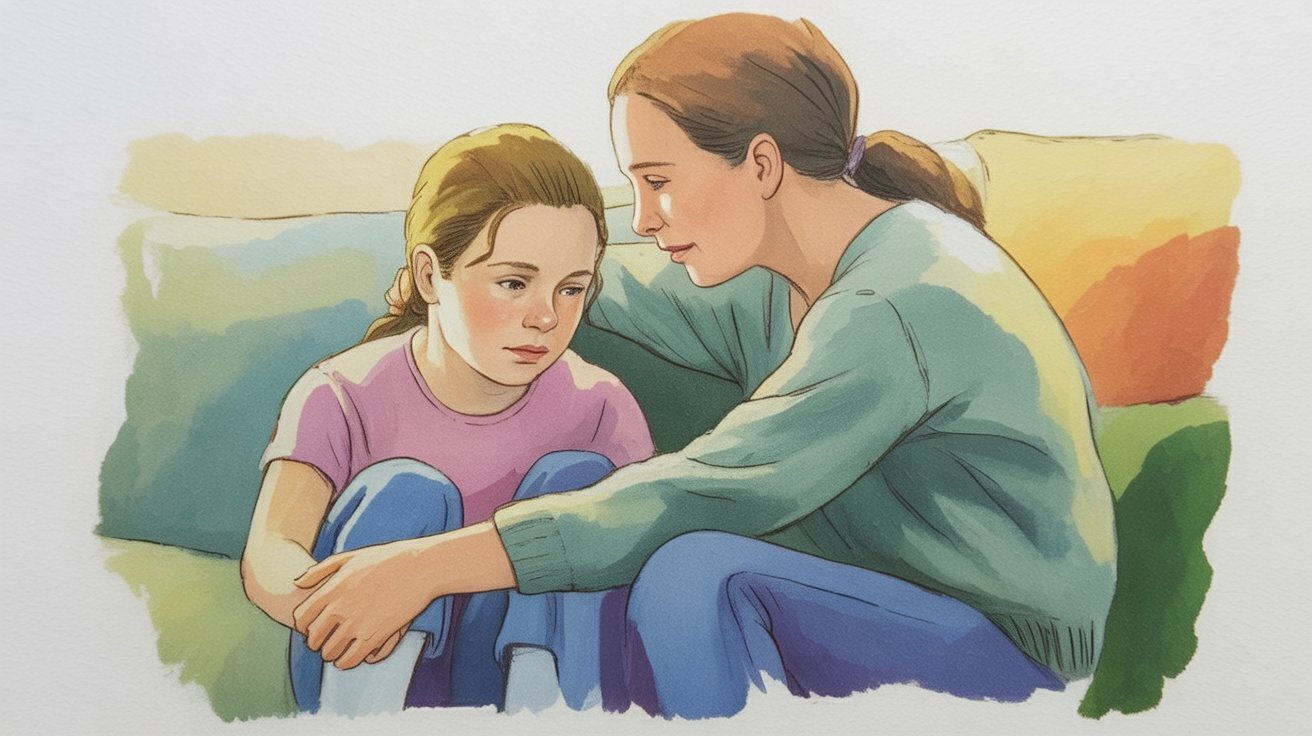
Listen first. Ask what she needs. Do not rush to the silver lining.
And be honest without being dismissive.
"That feeling is really uncomfortable. And it is also really normal."
You are not telling her it does not matter. You are telling her that what she is experiencing has been experienced by essentially every person who has ever lived and that she is not alone in it.
That combination of validation and normalizing is the most useful thing you can offer.
Not a fix. Not a promise that it gets easier. Not a story about your own heartbreak unless she specifically asks.
Just: I see you, this is real, and you are not alone in it.
The Bigger Picture
First crushes are not just about the person she likes.
They are her first real experience of a specific kind of vulnerability. Of caring about how someone sees her in a way that is different from friendship. Of wanting something she cannot fully control.
How she learns to handle that vulnerability matters.
Does she learn that feelings are something to be embarrassed about or hidden? Or does she learn that feelings are a normal part of being human and that she has people around her who can hold space for them?
Does she learn to suppress what she feels because it might be laughed at? Or does she learn to speak carefully about her inner life because she has practiced it in safe company?
The answers to those questions are being written right now.
Not in grand moments. In the small one where she said a name at dinner and waited to see what you would do.
You get to decide what she finds out in that moment.
Make it something she can come back to.