
When a Girl's Interests Stop Matching Her Friends' Interests
For both girls, this creates confusion. The friendship does not feel broken. But it does not feel the same either. Parents watch their daughters navigate this shift and often feel uncertain about what to do. Should they encourage the friendship to continue? Should they accept that sometimes friends naturally separate? How do they help their daughters understand that diverging interests do not have to mean the end of connection?
The answer often depends on understanding that interest divergence is a normal part of adolescence, not necessarily a sign of relationship failure.
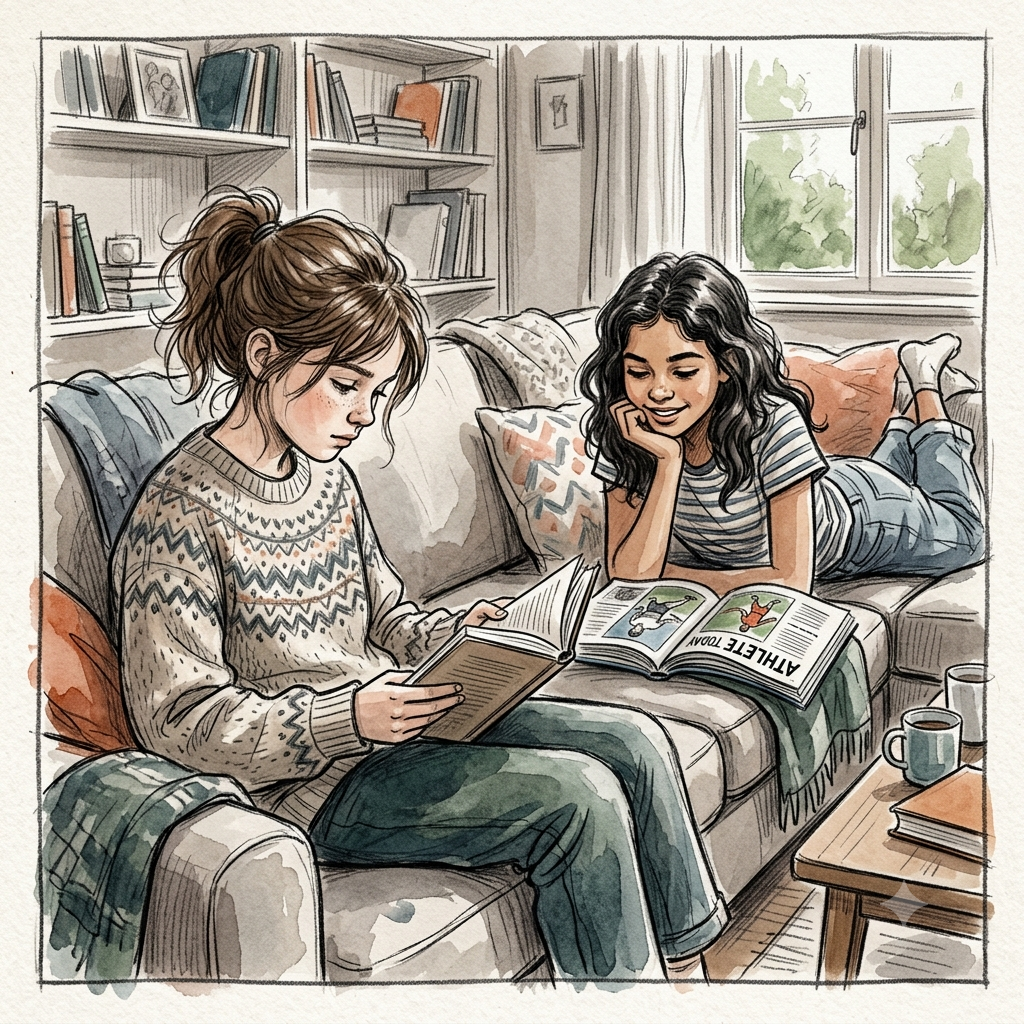
A girl and her best friend have done everything together for years. They liked the same books. They enjoyed the same shows. They spent weekends doing the same activities. Then, somewhere around the tween years, something shifts.
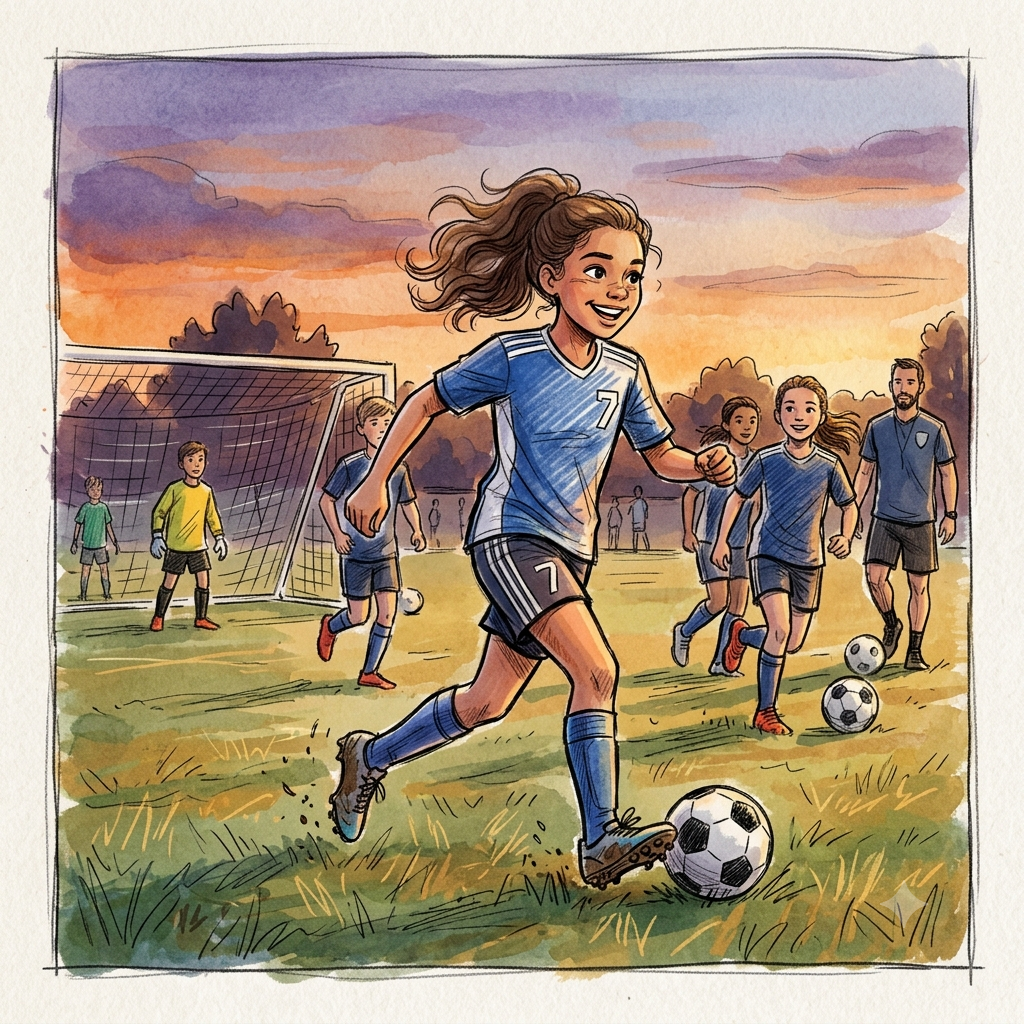
One girl becomes fascinated by soccer. The other loses interest. One discovers a love of art. The other finds it boring. One wants to join an academic club. The other thinks that sounds terrible.
At first, it feels manageable. They simply do different things sometimes. But as their interests continue diverging, the dynamic changes. They have less to talk about. They spend fewer hours doing things they both enjoy. They begin to feel like they are growing in different directions.
Interests Change as Identity Forms
The challenge is that this identity formation does not happen on a shared timeline with friends. One girl might be discovering that she genuinely loves science. Another might be discovering that she loves dance. A third might be developing an intense interest in creative writing.
None of these discoveries are wrong. They simply emerge at different times and reflect different facets of who each girl is becoming.
One of the major developmental tasks of the tween years is beginning to form a stronger sense of identity. Girls start asking more intentionally, "Who am I? What do I like? What matters to me?"
During early childhood, interests are often more fluid. A girl might love something passionately one month and forget about it the next. Her preferences are still forming. Her sense of self is still developing.
As she enters the tween years, she begins settling into more stable interests. These interests often start reflecting who she is becoming as a person. They become tied to identity in a way they were not before.
The Relationship Between Interests and Belonging
For girls who did not anticipate this shift, it can feel like betrayal. The friend is changing. The friendship is ending. The safety of having best friends is disappearing.
In reality, what is often happening is much more developmental. Both girls are growing. They are discovering who they are. Their interests are reflecting that growing self-knowledge. The friendship is not ending because someone did something wrong. It is changing because both people are changing.
One factor that often complicates this shift is that interests become increasingly connected to social groups. In elementary school, friendship was often primary. A girl had a best friend and they did activities together.
In the tween years, social structure becomes more complex. Girls begin organizing themselves around shared interests. There is a sports group. An art group. A group of girls who love reading. A group interested in music.
When a girl's interests change, her social location often changes too. She may no longer spend time with her original friend group because they are pursuing different activities. She may find herself in new groups organized around new interests. This can feel exciting and disorienting at the same time.
The Guilt That Comes With Moving On
Parents sometimes make this worse by framing interest divergence as a choice issue rather than a development issue. "If you really cared about your friend, you would spend more time with her." But caring about a friend and having shared interests are actually different things.
A girl can care deeply about someone while discovering that they no longer share passions. Both things can be true.
The guilt that many girls carry is often unnecessary. It reflects a misunderstanding that real friendship requires constant shared interests. In reality, real friendship can sometimes look like supporting someone's growth even when that growth leads in different directions.
One of the most overlooked aspects of this transition is the guilt many girls feel.
A girl realizes she is no longer interested in what her longtime friend is interested in. She starts spending time with new people who share her new interests. She experiences the relief and excitement of finding her people.
Then she feels guilty.
She worries that she is abandoning her friend. She thinks she is being mean.
She feels like something is wrong with her for changing. She wonders if she was ever truly her friend's friend if her interest in that friendship could fade.
When Old Friendships Transform Rather Than End
These are sophisticated relationship skills. Many adults struggle with them. Girls who develop them during the tween years often become better at maintaining relationships throughout their lives.
Parents can support this by helping daughters think about what stays the same in a friendship when activities change. Do they still enjoy talking to each other? Do they still trust each other? Do they still care about what happens in each other's lives? If the answer to those questions is yes, the friendship may simply be evolving rather than ending.
The helpful reframing for many girls is recognizing that friendships do not always end when interests diverge. They often transform.
A girl who used to be a best friend might become a friend she sees occasionally. A friend she used to spend hours with might become a friend she connects with in different contexts. The friendship becomes smaller, not because anyone did anything wrong, but because both people are growing.
This is actually a valuable life skill to develop. The ability to maintain connection with people even when shared activities decrease. The ability to appreciate what a friendship was and accept what it is becoming. The ability to care about people without requiring that they remain unchanged.
Supporting Multiple Friendship Groups
Parents can help by normalizing this experience. Most adults do not have one friend group. We have colleagues, neighbors, hobby friends, and childhood friends. We spend time with different people in different contexts. This is actually a sign of growth, not fragmentation.
The tween years are often when girls first begin experiencing this adult pattern. Rather than viewing it as something that went wrong, it can be helpful to recognize it as something expanding.
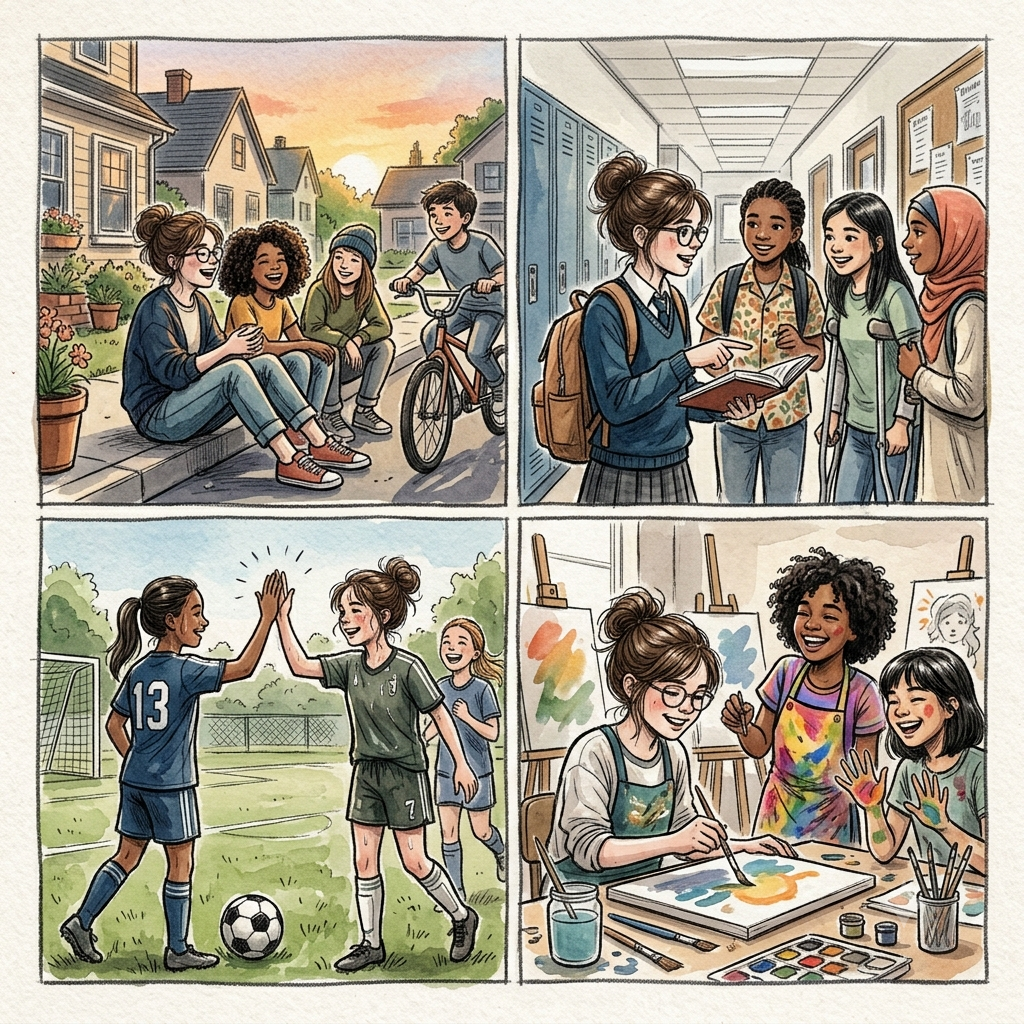
Another important shift during the tween years is that girls often begin to have multiple friendship groups. She might have friends from soccer, friends from school, friends from her neighborhood, friends from the art class she started taking.
This can feel like progress and loss simultaneously. Progress, because she is developing diverse friendships and discovering different parts of herself in different contexts. Loss, because she no longer has a single group where she belongs to everything.
What Parents Can Remember
When a girl's interests change and her friendships shift as a result, it is rarely a sign that something is wrong. It is often a sign that something is developing correctly. She is discovering who she is. She is finding people who share her interests. She is forming identity that is not entirely dependent on maintaining childhood friendships.
This does not mean childhood friendships should be abandoned. It means they often need space to transform into something different than what they were.
Parents who can accept and even encourage this process often help their daughters develop both stronger sense of self and more flexible relationship skills.
