
Why Some Girls Develop Intense Relationships With One Friend
Parents sometimes want to protect their daughters from this intensity. They worry about dependence on one friendship. They worry about what will happen if the friendship changes. They wonder if it is healthy for a girl to invest so much in a single peer relationship.
What many parents miss is that intense friendships during the tween years are actually a normal and often valuable part of development. The concern is not the intensity itself. The concern is sometimes how a girl manages the relationship when the intensity becomes complicated.
A girl and a new friend become inseparable. They spend all their free time together. They text constantly. They think each other is the most wonderful person who has ever existed. They make plans together. They dream together. They believe this friendship will last forever.
It is beautiful to watch. It is also intense in a way that sometimes makes parents a little nervous. Because they have been through enough of adolescence to know how these intense friendships sometimes end.
And when they do, the pain can be significant.
Why One Special Friendship Becomes Important
This is valuable. This is important. This is part of healthy development. Having one person who really gets you during the uncertain years of adolescence is genuinely protective.
The intensity makes sense. A girl is developing a sense of self. She is navigating increasing complexity. Having one person who understands all of that is meaningful.
During the tween years, friendships shift in significance. School-based friendships are no longer automatically maintained just because kids spend time together. Friendships become chosen. They become based on genuine connection and compatibility rather than on proximity.
For many girls, this is when best friendship becomes important in a new way. One friend becomes the person who truly understands her. The person who sees her. The person who feels like home.

When Intensity Becomes Exclusion
The girl is anxious or insecure and the friendship feels like it solves those feelings.
The girl is experiencing challenges at home and the friendship feels like an escape.
The girl has an anxious attachment style and becomes clingy in relationships.
None of these situations are problematic on their own. But when they contribute to a girl losing other relationships and forming what researchers call a dyadic or two-person closed system, it can create vulnerability.
Where this sometimes becomes concerning is when the intensity of the one friendship starts excluding other relationships.
A girl stops maintaining other friendships because the special friendship takes all her emotional energy. She becomes isolated from the broader peer group. She experiences the friendship almost as a merger of identity.
This level of intensity sometimes happens when:
The girl has struggled socially before and is deeply relieved to have found genuine connection.
The Fragility of Intensity
Additionally, the intensity sometimes sets expectations that are impossible to maintain. A friend cannot always be available. She cannot always understand perfectly. She will sometimes be focused on other things.
A girl who expects perfect understanding and constant availability in one friendship often finds herself disappointed. And because there are no other friendships to provide perspective and support, the disappointment feels total.
One of the risks of intense one-on-one friendships is that they can be fragile. When a friendship is this emotionally important, any shift in the relationship feels catastrophic.
A conflict that a girl with multiple friendships might weather relatively easily becomes devastating for a girl who is emotionally dependent on one friendship. A friend wanting to spend time with other people becomes a threat. A moment of misunderstanding becomes evidence that the friendship is ending.
How Friendships Serve Different Functions
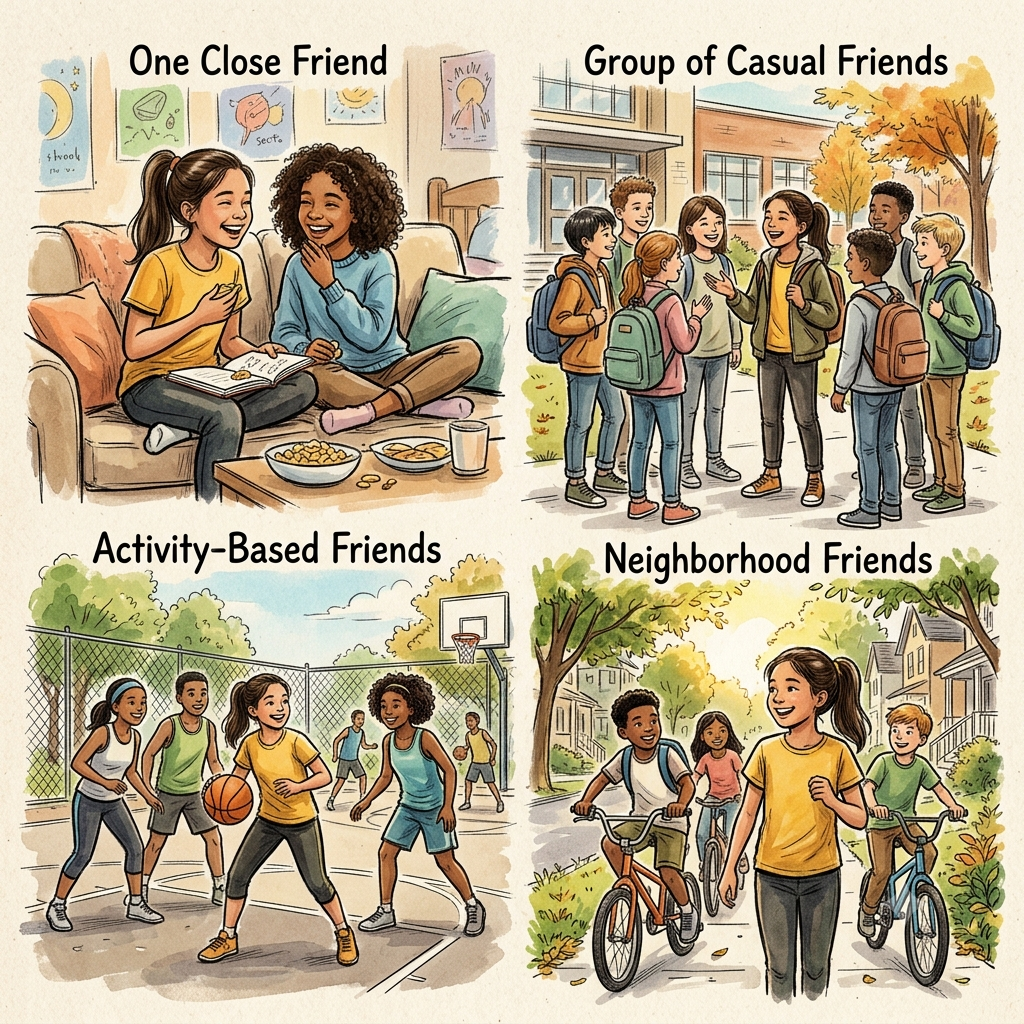
Having multiple friendships is not about replacing the special friendship. It is about having different people meet different needs.
Girls who develop this understanding are generally less dependent on any single friendship being perfect. They have perspective. If one friendship is strained, others can provide support.
One important insight for girls to understand is that different friendships serve different purposes. One friend cannot meet every need.
The friend who is emotionally validating might not be the friend who makes her laugh. The friend who shares her interests might not be the friend who provides practical support. The friend who is politically aligned might not be the friend who is adventurous.
When A Girl Isolates Around One Friendship
"It seems like you have really focused on this friendship. I am glad you have someone you connect with so deeply. I have noticed you have not spent time with [other friend] in a while. Do you miss her?"
The goal is not to minimize the special friendship. The goal is to help the girl maintain perspective and other supports.
Parents sometimes notice that a girl has lost other friendships in pursuit of one intense friendship. She has stopped calling other friends. She has withdrawn from group activities. She is only interested in time with the special friend.
This is worth gently addressing. Not by attacking the special friendship. But by gently encouraging the maintenance of other relationships.
Supporting Healthy Intensity
Helping her understand that perfect understanding is impossible. Friends will sometimes misunderstand. That is okay. It does not have to end the friendship.
Encouraging activities and interests independent of the friend. Developing parts of identity that are not entirely tied to one relationship.
Modeling healthy friendships yourself. Showing how you maintain multiple relationships while also having close friends.
Parents can support their daughters in having intense, meaningful friendships while still maintaining broader social connections by:
Validating the special friendship. Recognizing how important this person is.
Encouraging other friendships. Supporting time with other people. Not framing it as a threat to the special friendship.
Normalizing the ups and downs of friendships. Friendships change. They can get closer and then need space. This is normal.
When Intensity Becomes Unhealthy
The girl experiences physical symptoms when separated from the friend.
The friendship is preventing other important development.
In these cases, it might be worth exploring with a school counselor or therapist whether the friendship is healthy or whether the girl's attachment patterns need support.
It is worth noting that while intense friendships are normal, there are situations where intensity becomes concerning. If:
A girl is completely isolated except for one friendship.
The friendship involves control or unhealthy dynamics.
The girl experiences frequent intense conflict followed by intense reconciliation.

What Parents Can Remember
Intense friendships during the tween years are normal and often beautiful. A girl having one person who truly understands her is genuinely valuable.
The goal is not reducing intensity. The goal is helping her maintain that intensity while also developing resilience through other relationships.
Because the girls who navigate friendship changes most successfully during adolescence are often those who have learned that one person cannot meet every need, and that is actually okay.
