
The Text You Wish You Didn’t Send (Now What?)
She hit send and knew.
Not five minutes later. Not after a reply.
Right away.
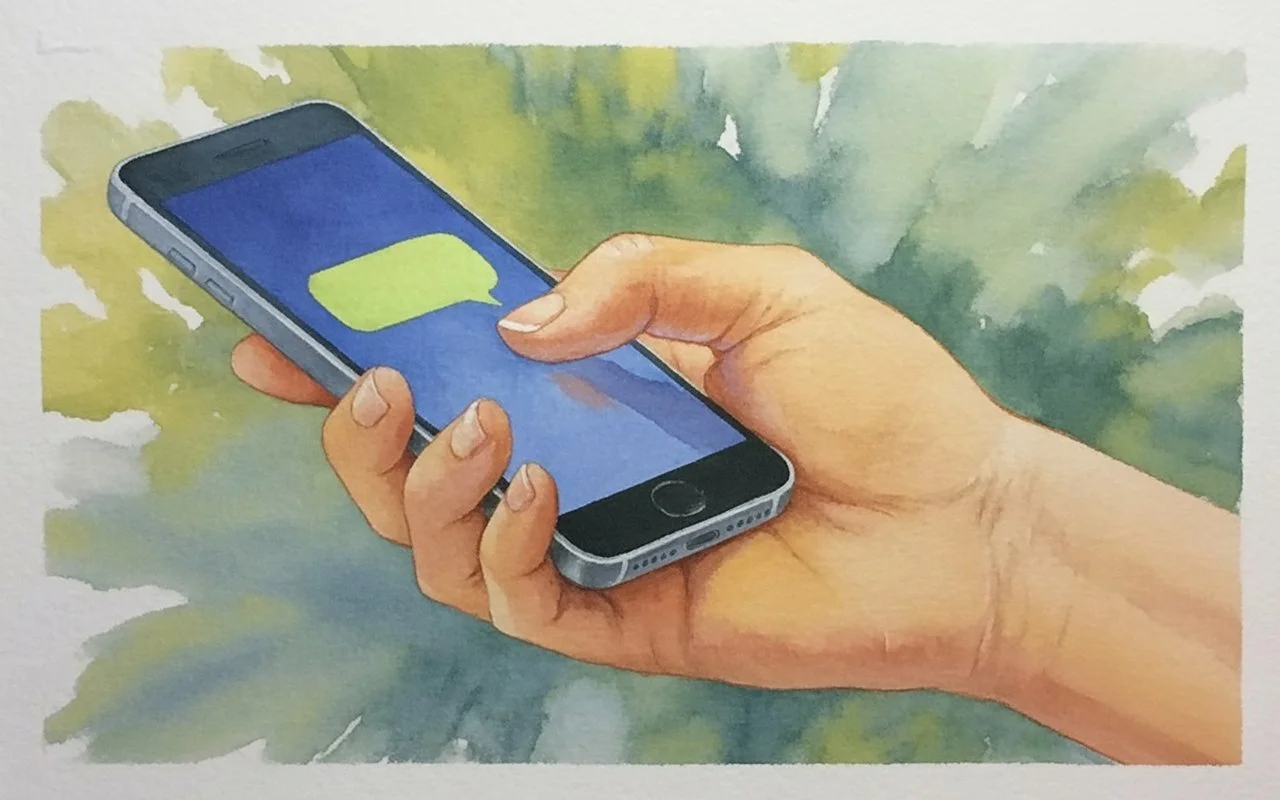
The message is still sitting there on the screen. Blue bubble. No undo. No way to pull it back. Her thumb hovers over it like maybe if she presses hard enough, it will disappear.
It doesn’t.
The Text Itself Is Usually Not the Real Problem
It might be one of these:
A joke that landed wrong
A screenshot sent to the wrong person
“I like you” sent at 10:42 PM
Something mean typed fast, then regretted slower
A message meant for one friend that went to the group chat instead
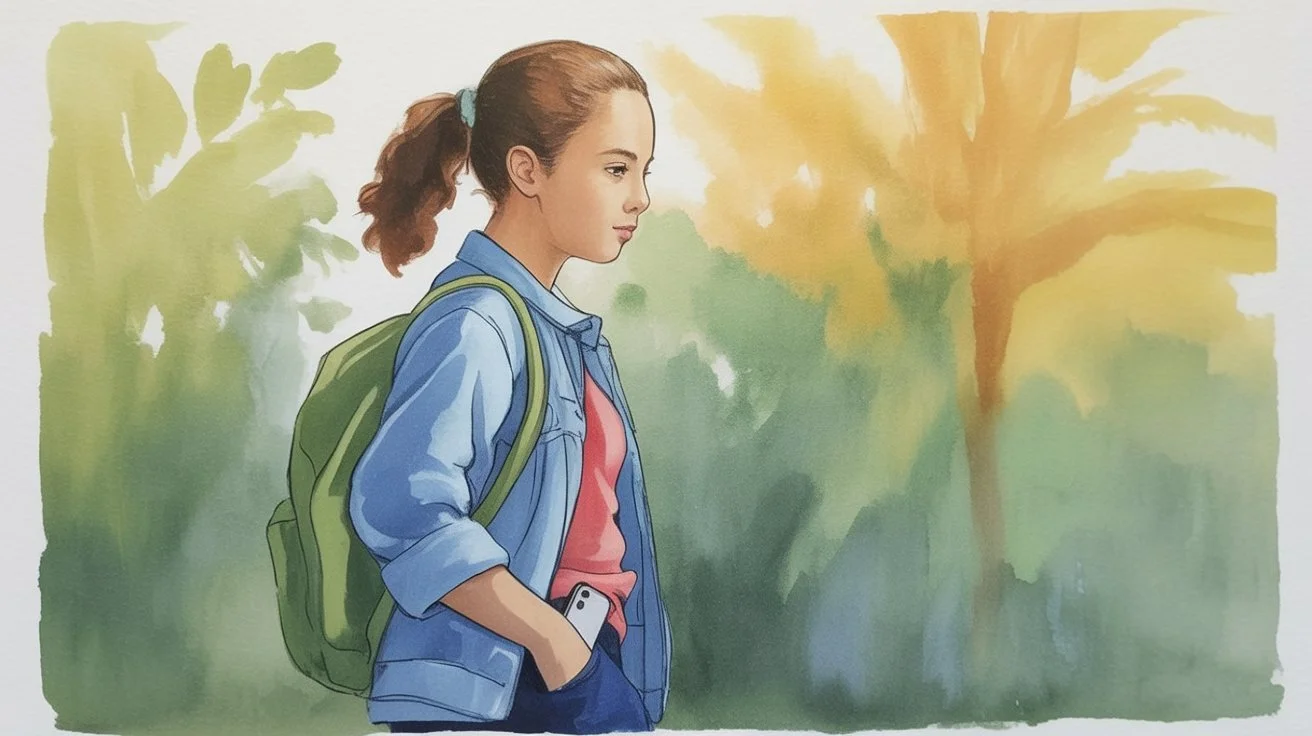
My stepdaughter once typed “That was so weird” about a girl in her class.
She meant to send it to one friend.
It went to a group of seven.
Including the girl.
She looked at me like something permanent had just happened. Like she had broken a rule she didn’t know existed.
That’s the feeling. Not just embarrassment. Exposure.
Like standing in a room where everyone suddenly heard what you thought was private.


Where the Panic Comes From
It’s not just the words.
It’s the waiting.
The three dots that might show up.
The read receipt that already did.
The silence that stretches longer than it should.
Your brain fills in the worst version fast.
She hates me now.
Everyone saw it.
They’re talking about me.
Your brain is trying to finish the story before anyone else does.
That’s what makes it feel bigger than it is.

What To Do In The First Five Minutes
This is where most people make it worse.
They send five more texts trying to fix the first one.
Long explanations.
Too many sorrys.
Messages that sound more nervous than clear.
Skip that.
Start here instead.
1. Stop typing
Put the phone down. Face down if you have to.
You don’t need to fix it in 30 seconds.
Fast usually means messy.
2. Read what you actually sent
Not what you meant. What is there.
Sometimes it reads harsher than you thought. Sometimes it doesn’t.
You need the real version before you respond.
3. Decide which situation you’re in
You hurt someone
You embarrassed yourself
You revealed something you weren’t ready to share
Each one has a different next move.

If You Embarrassed Yourself
This is where most people overcorrect.
They try to act like it never happened. Or they flood the chat with jokes.
You don’t need either.
You can name it once and move on.
“That was not supposed to go there.”
That’s enough.
Confidence here is not pretending it didn’t happen.
It’s showing you can stand next to it without falling apart.
If You Hurt Someone
Keep it short.
Not a paragraph. Not a speech.
Say what happened. Say you see it. Stop there.
You can use this:
“I read that again. That came out mean. I’m sorry.”
No explaining why you were tired.
No “but I didn’t mean it like that.”
Just the clean version.
Long apologies usually sound like you’re trying to escape the moment instead of owning it.
If You Said Something Personal
This one feels different.
Because you can’t take it back, and now someone knows something real.
The instinct is to pull it back with another message.
Don’t.
You can steady it instead.
“Okay that was more honest than I planned. Just leaving it there.”
You didn’t delete it. You didn’t panic over it.
You stayed.
That reads stronger than trying to undo it.
The Part Nobody Tells You
Most people are not thinking about your text as long as you are.
They read it. They react. Then their day keeps going.
You are the one replaying it in full detail.
My stepdaughter checked her phone 14 times in 20 minutes after that group chat message.
She was tracking who had seen it, who hadn’t, who might be talking about it.
When a reply finally came, it said:
“?? what do you mean”
Not outrage. Not a group explosion. Just confusion.
The story in her head was bigger than the one that actually happened.
That doesn’t mean it always goes perfectly.
It means your brain is not a reliable narrator in the first hour.
What To Skip Completely
Sending three follow-up texts in a row
Asking “are you mad at me?”
Blaming autocorrect
Pretending your account got hacked
Turning it into a joke if someone was actually hurt
Those moves feel like control in the moment.
They usually make the situation louder.
What This Teaches You (Even If You Hate It)
You learn what you sound like when you’re rushed.
You learn which thoughts should stay in your head.
You learn how to fix something without turning it into a bigger problem.
That’s a real skill.
Not perfect texting.
Recovering when it’s not perfect.
How To Recover The Next Day
This part matters more than the first message.
Because this is where your reputation actually gets built.
If you see the person in real life, keep it simple.
“I’m sorry about that text yesterday.”
Then stop.
You don’t need to perform regret. Just show up and say it clean.
If they shrug it off, believe them.
If they’re still upset, give it a minute to settle instead of chasing them for instant forgiveness.