
What Happens to a Girl’s Body Between Ages 8 and 12 (And Why It Feels So Sudden)
Introduction: The Stage No One Really Explains Clearly
Between ages 8 and 12, a girl’s body starts changing in ways that do not follow a single obvious timeline. Nothing happens in a clean order. There is no announcement. No clear “before and after” moment.
Instead, changes arrive in fragments.
A shoe size shifts before height does. A shirt fits differently even though nothing else looks different yet. Mood changes appear before anyone can connect them to anything physical. A new level of self-awareness shows up in mirrors, photos, and how clothes feel on the body.
This is why so many girls describe this stage as confusing. Not because it is random, but because it is incremental.
Understanding this stage is not about speeding it up or slowing it down. It is about recognizing what is already happening so it stops feeling like something is wrong.
The Body Does Not Change in Straight Lines
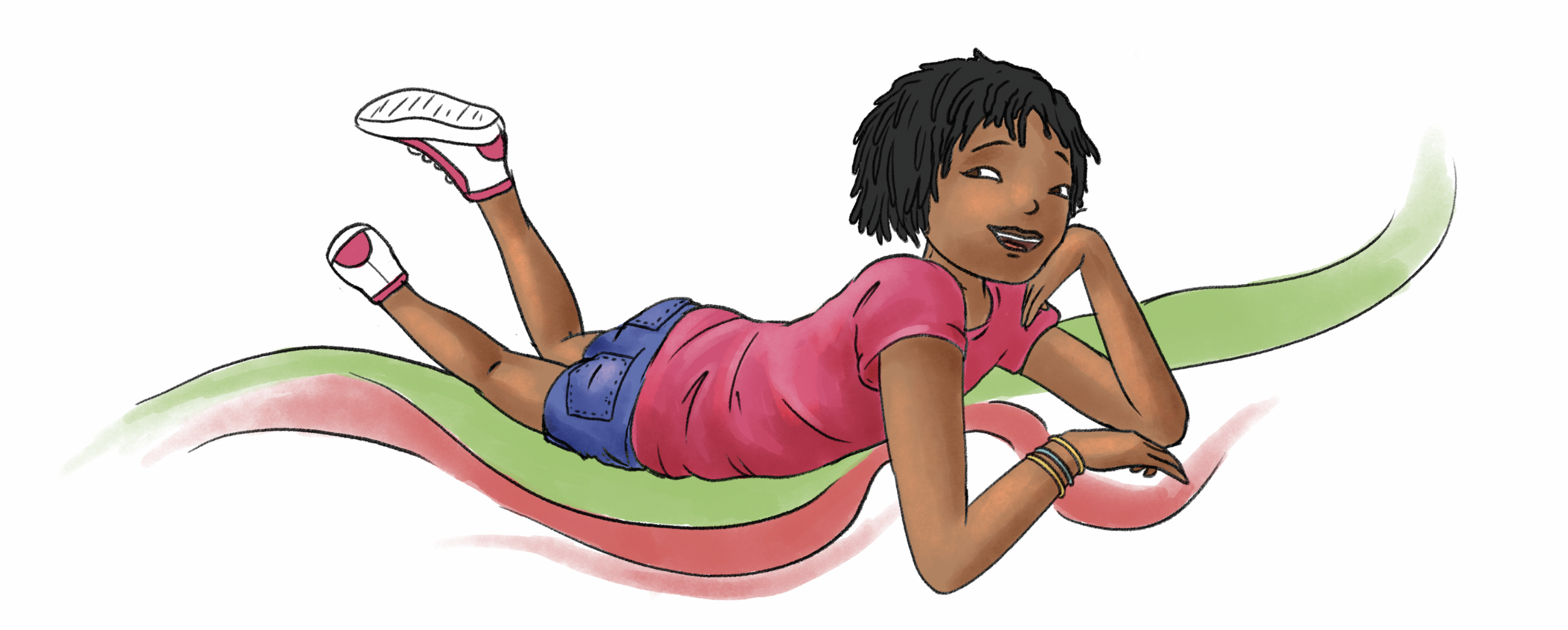
One of the biggest misunderstandings about puberty is the idea that it happens in steps that can be easily tracked.
In reality, the body changes in overlapping waves.
Height, skin, hormones, sleep cycles, and emotional regulation all shift on slightly different schedules. That lack of synchronization creates the feeling that things are happening “all at once,” even when they are not.
A girl might grow taller before she develops noticeable body changes. Or she might begin experiencing skin changes and sweat differences before any height shift happens at all.
Nothing is coordinated in a way that feels predictable from the inside.
This is important because predictability is what creates emotional stability. When things feel unpredictable, the brain tries to find meaning in small changes that are actually part of a larger biological process.
The First Signs Are Usually Not What People Expect
Most people think puberty begins with a single visible change. In reality, it usually starts with subtle internal shifts.
These can include:
Slight changes in body odor after activity
Shifts in sleep patterns
New sensitivity to clothing or textures
Small changes in appetite or energy levels
Emotional reactions that feel stronger than before
These signs are easy to overlook because they do not look dramatic on their own. But together, they signal that the body is beginning a new stage of development.
A key detail here is that these changes often feel unrelated at first. A girl might notice she is more tired after school but not connect that to anything physical. Or she might feel more sensitive emotionally without realizing her internal regulation system is also changing.
The connection only becomes visible later.
Why It Feels Like Everything Changes at Once
The phrase “sudden change” is often used to describe puberty, but it is not accurate biologically. What feels sudden is actually the result of accumulated small changes becoming noticeable at the same time.
There is a threshold effect.
For a long time, changes stay under the level of awareness. Then, once enough of them are present, the brain registers them together as a shift in identity or body awareness.
This is similar to noticing a room is messy. It does not become messy in one second. It reaches a point where the mess becomes visible all at once.
Puberty works the same way internally.
How the Brain Interprets Physical Change
During ages 8 to 12, the brain is also developing systems for self-image and social awareness.
This means that physical changes are not only physical. They are also interpreted emotionally and socially.
A new shirt fit is not just fabric feeling different. It can become awareness of how others might see the body. A change in skin or hair is not just biological. It can become a question of visibility.
This is where emotional intensity often increases. Not because the changes are extreme, but because awareness of those changes is expanding at the same time.
The brain is learning to connect internal experience with external perception.

The Role of Hormones Without Overcomplication
Hormones are often described in abstract or overly simplified ways. The more accurate way to understand them is as chemical signals that guide timing and development.
They do not “cause” personality changes or emotions in a direct way. Instead, they influence systems that are already developing, including:
Sleep regulation
Energy cycles
Skin and sweat changes
Growth patterns
Emotional responsiveness
Because these systems are all adjusting at the same time, the experience can feel layered.
It is not one system changing. It is several systems adjusting simultaneously.
Why Emotional Changes Are Part of Physical Development
One of the most misunderstood parts of this stage is emotional change.
A girl may notice that small situations feel bigger than they used to. A comment from a friend might sit with her longer. A shift in tone from a parent might feel more intense than expected.
This is not separate from physical development. It is part of the same system adjusting.
The brain regions responsible for emotional response are developing faster than the regions responsible for pause and reflection. That timing difference creates stronger immediate reactions before reasoning catches up.
This does not mean emotions are “too big.” It means the system is still building coordination between different parts of the brain.
Why Clothing and Body Awareness Change First in Daily Life
One of the earliest places puberty becomes noticeable is in clothing.
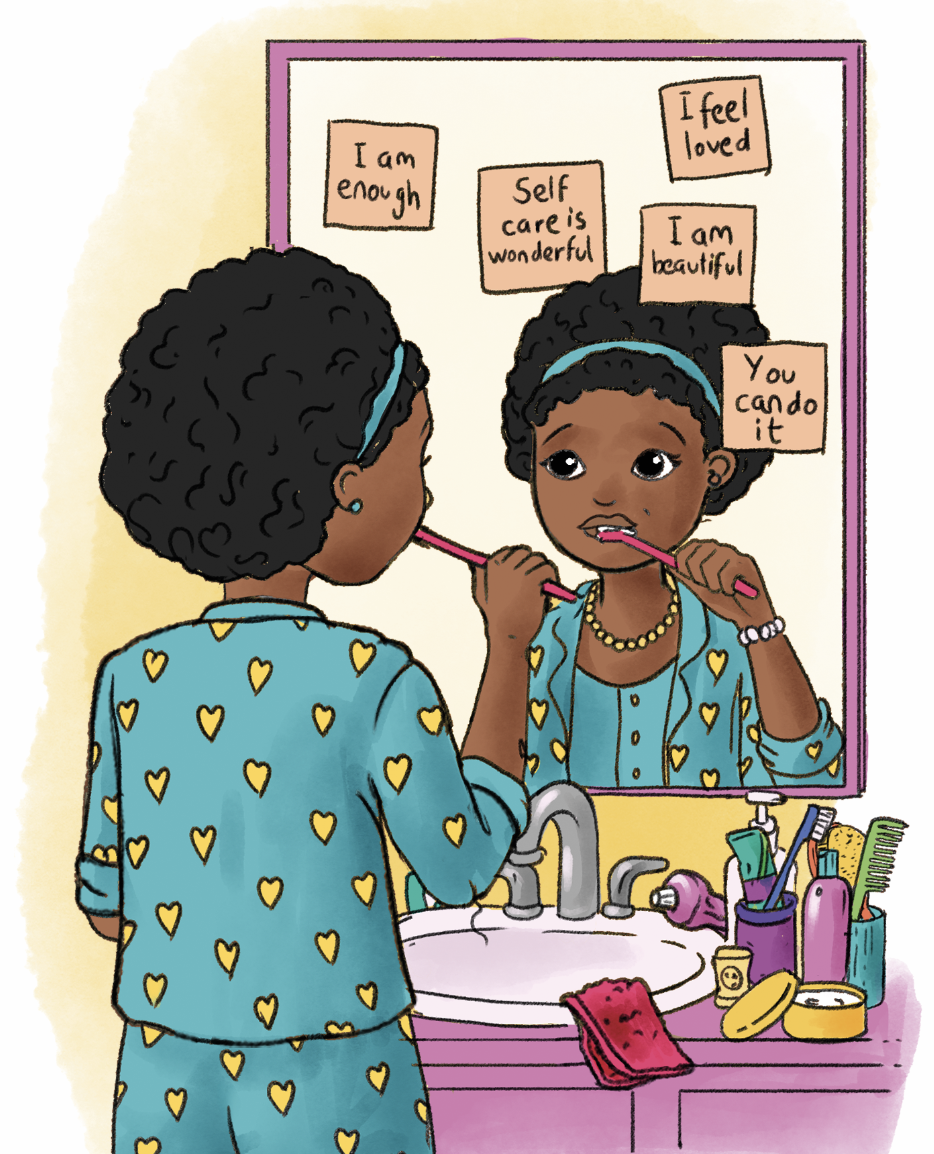
A shirt that used to feel normal might suddenly feel “off” even if nothing about the shirt has changed. A hoodie might become something a girl relies on more often. Not because of fashion, but because of comfort and awareness.
Clothing becomes the first external feedback loop for internal change.
This is also where self-consciousness often begins. Not because of appearance alone, but because of awareness of how the body is being experienced from the outside.
The Social Layer That Gets Added Later
As these physical changes become more noticeable, social awareness begins to layer on top of them.
A girl might start noticing how others react to her more than she used to. She might become more aware of comparison, even in subtle ways.
This is not about insecurity alone. It is about the brain expanding its understanding of social positioning.
At this stage, identity is not fixed. It is actively being constructed.
That construction process is why social experiences feel more intense than they did earlier in childhood.
What Actually Helps Girls Navigate This Stage
The most helpful thing during this stage is not trying to simplify the experience into “everything is fine” statements.
What helps is clarity.
Clear explanations of what is happening physically reduce the emotional load attached to interpretation. When a girl understands that changes are expected and connected to development, she does not need to assign personal meaning to every shift.
Practical support also matters more than reassurance. This includes:
Understanding basic body changes
Having appropriate hygiene supplies available
Normalizing conversations about development without urgency
Allowing space for privacy without withdrawal
Clarity reduces confusion. Confusion is what amplifies emotional intensity.
Conclusion: What This Stage Actually Is
This stage is not a problem to solve.
It is a transition phase where multiple systems are changing at once, and awareness is expanding faster than understanding.
What feels sudden is actually cumulative.
What feels personal is actually shared.
And what feels confusing becomes clearer when the individual pieces are named instead of blended together.
Understanding this does not stop the changes. It simply makes them easier to recognize while they are happening.