

The Surprising Reason Some Girls Become More Sensitive During Adolescence
Many girls become noticeably more sensitive during the tween years, but this shift often reflects growing emotional sophistication rather than declining mental health. As girls develop the ability to pick up on subtle social cues, they sometimes over-interpret those cues, leading to anxiety and avoidance. Parents can help by validating their sensitivity while developing perspective, teaching girls to recognize when they are catastrophizing social situations, and seeking professional support if sensitivity becomes limiting.

When a Girl's Values Start Conflicting With Her Friends' Values
As girls develop stronger personal values during the tween years, they sometimes find themselves in friendships where those values conflict with group behavior. The pressure to choose loyalty over authenticity is real, but prioritizing friendship loyalty over personal values can lead to self-abandonment. Parents can help by taking these value conflicts seriously and supporting their daughters in living according to what matters to them, even when that means friendship changes.

The Anxiety That Comes With Asking for Help
Many tweens resist asking for help, viewing it as evidence of inadequacy rather than as a sign of self-awareness. The desire for independence is developmentally appropriate, but when it prevents girls from getting needed support, it can create unnecessary struggle. Parents can help by modeling help-seeking behavior, creating safety around asking, and teaching girls that requesting assistance is actually a sign of strength, not weakness.
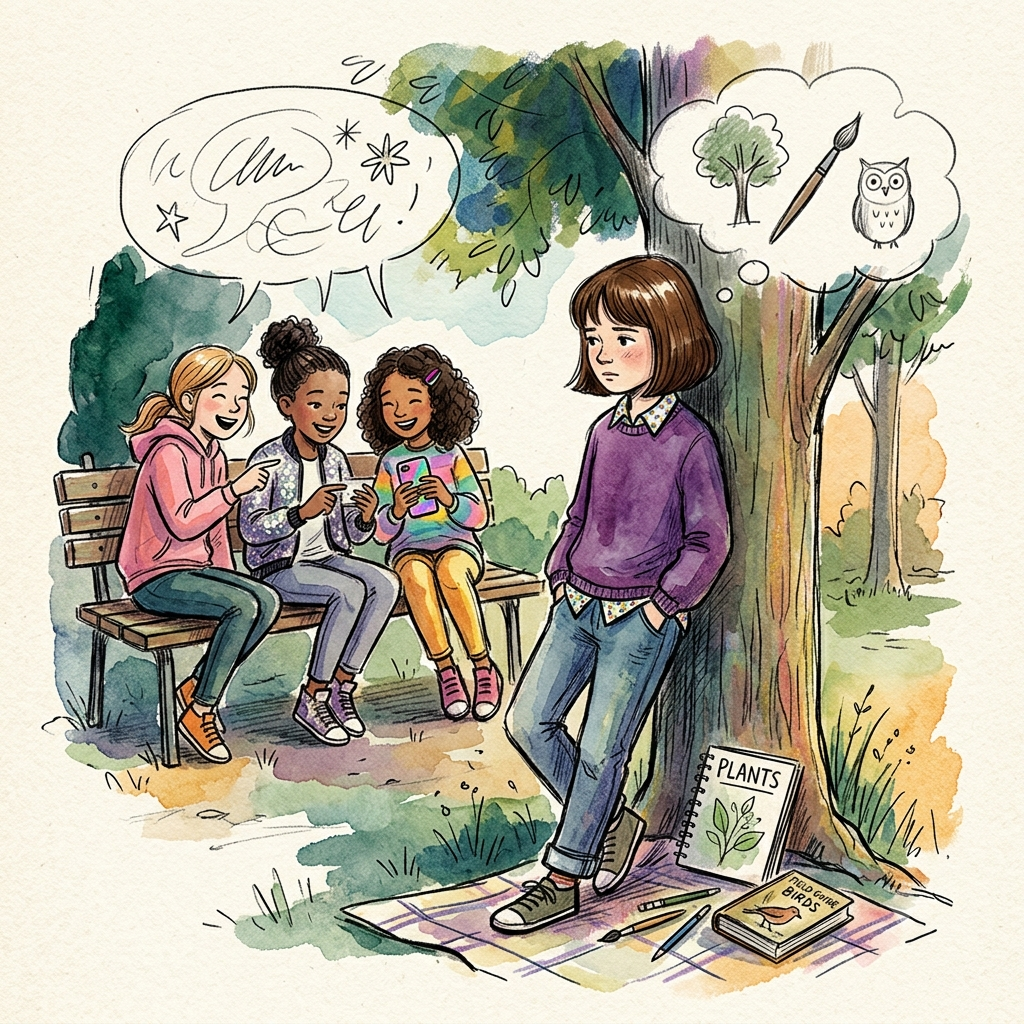
When a Girl's Interests Stop Matching Her Friends' Interests
As girls discover new interests during the tween years, their friendships often transform rather than end. Interest divergence is a normal part of identity development, not a sign of relationship failure. When a girl's passions begin reflecting who she is becoming, friendships may become smaller, but they can also deepen in quality. Parents can help by normalizing this evolution and supporting girls in maintaining connection even when shared activities change.

When Smart Girls Start Doubting Their Intelligence
Many intelligent girls experience increased self-doubt during the tween years, but this shift is often a sign of growing sophistication in thinking rather than declining ability. As girls become capable of recognizing complexity and imagining alternative perspectives, they also become aware of what they do not know. Parents can help by distinguishing between healthy doubt and paralyzing perfectionism, and by modeling how confidence and intellectual uncertainty can exist together.

What Screens Are Really Giving Our Daughters
Today's tweens are growing up in a digital world that shapes how they see themselves, their friendships, and their place in the world. This article explores how screens influence confidence, comparison, and belonging, and offers parents a more effective approach than simply counting hours of screen time

The Hidden Cost of Turning Childhood Into Performance
Many parents encourage achievement because they want the best for their children. But when childhood becomes centered around performance, girls can begin tying their worth to outcomes rather than growth. Research on motivation suggests that pressure often increases anxiety while reducing a child's sense of ownership and curiosity. Parents can support healthy development by balancing expectations with acceptance, helping girls build confidence that comes from self-trust rather than constant achievement.
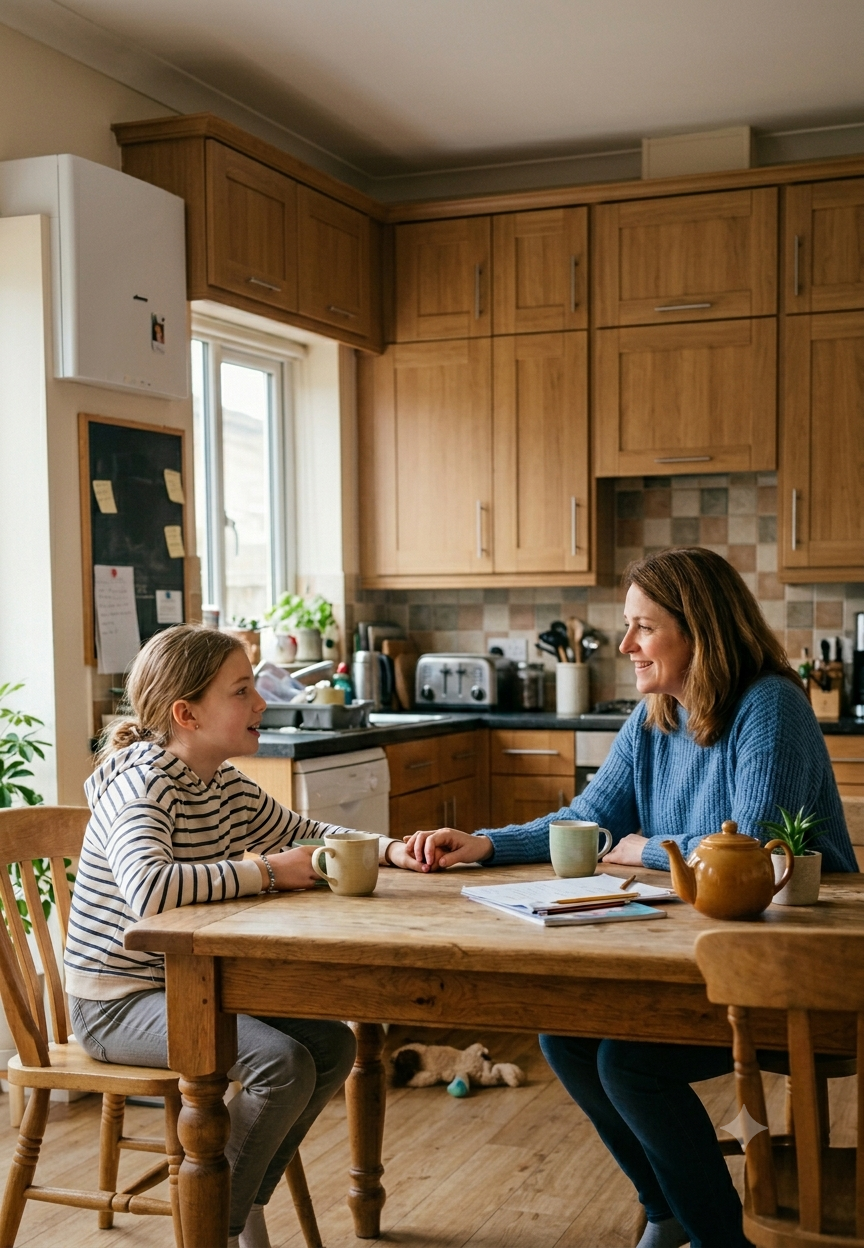
Why Some Girls Become People-Pleasers
People-pleasing is often mistaken for kindness, but the two are not always the same. Many girls learn to prioritize approval, avoid conflict, and accommodate others because it feels emotionally safer. Parents can help by teaching that kindness and self-respect can exist together, allowing girls to build relationships without losing themselves in the process.

What Confidence Looks Like When Nobody Is Watching
Parents often recognize confidence through visible behaviors such as speaking up, taking risks, and performing well. However, many of the most important forms of confidence develop privately. Confidence grows when girls learn to trust themselves, recover from mistakes, make decisions that align with their values, and continue moving forward without relying entirely on external validation.

Growing Up in a World That Constantly Evaluates Girls
Today's girls are growing up in environments that constantly encourage evaluation, from appearance and achievement to popularity and performance. Parents cannot remove every source of pressure, but they can help daughters develop a stronger internal sense of self. Confidence becomes more stable when girls learn that other people's evaluations provide information, not identity.

The Moment Many Girls Start Doubting Themselves
Many parents notice a shift during the tween years when daughters who once seemed naturally confident begin questioning themselves more often. This change is often rooted in growing self-awareness and social awareness rather than declining confidence. Parents can help by focusing less on eliminating self-doubt and more on helping girls build trust in themselves as they navigate uncertainty.
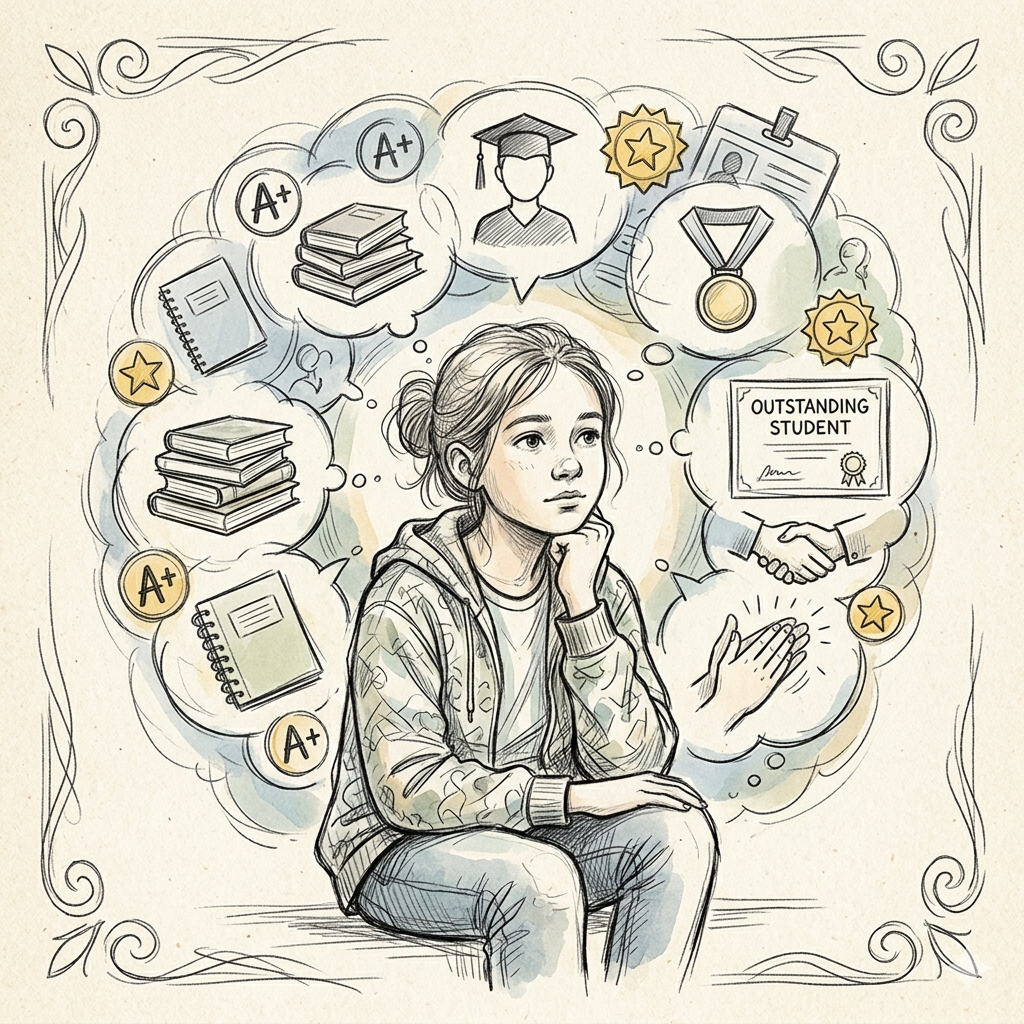
When Good Grades Become Part of a Girl's Identity
Many high-achieving girls quietly tie their self-worth to academic success. When good grades become part of a girl's identity, ordinary setbacks can start feeling like personal failures. Parents can help by separating performance from worth and reinforcing the idea that achievement is something a child does, not who she is.

The Quiet Difference Between Fitting In and Belonging
Many girls learn how to fit in long before they learn how to belong. While fitting in often depends on earning approval, belonging allows girls to remain connected to themselves while building relationships. Parents can help by encouraging a strong sense of identity so that friendships become a source of connection rather than a reason to abandon who they are.

What Happens When a Girl Starts Measuring Herself Against Everyone Else?
As girls move through the tween years, comparison often shifts from simply noticing differences to evaluating self-worth. Parents can help by looking beyond the comparison itself and understanding the insecurity underneath it. Confidence becomes more stable when girls learn to build their identity on self-understanding rather than constantly measuring themselves against everyone around them.

The Confidence Problem Parents Often Mistake for Shyness
Many parents assume quiet behavior automatically means a girl is shy, but reserved behavior can sometimes reflect self-doubt rather than temperament. Understanding the difference helps parents support confidence more effectively. The goal is not helping girls become more outgoing. It is helping them trust themselves enough to participate without believing they must be perfect first.

When Friendship Drama Starts Feeling Personal
Friendship struggles often feel bigger during the tween years because friendships become tied to belonging, identity, and self-worth. Parents cannot eliminate the pain of social conflict, but they can help daughters separate friendship problems from self-worth problems. The goal is not fixing every friendship challenge. It is helping girls develop the confidence to navigate them without losing themselves in the process.

The Hidden Cost of Always Trying to Be Nice
Kindness is an important quality, but many girls quietly learn that being kind means keeping everyone else comfortable. Over time, this can lead girls to prioritize approval over authenticity. Helping girls understand that boundaries, honesty, and self-respect can exist alongside kindness creates a stronger foundation for lasting confidence.

Why Some Girls Become Harder on Themselves as They Get Older?
Many girls become more self-critical during the tween years, not because their confidence is disappearing, but because their awareness is growing. As they become more aware of themselves, their peers, and their performance, they often notice flaws before they develop the perspective to interpret those flaws fairly. Helping girls separate mistakes from identity is one of the most important foundations of lasting confidence.

Why Tween Girls Start Overthinking Everything?
Many tween girls begin overthinking during adolescence, but overthinking is often less about thinking too much and more about trying to create certainty in an increasingly complex social world. As girls become more aware of friendships, identity, and belonging, they may analyze situations repeatedly in an effort to avoid mistakes. Lasting confidence develops not from certainty, but from learning to trust themselves when certainty is unavailable.
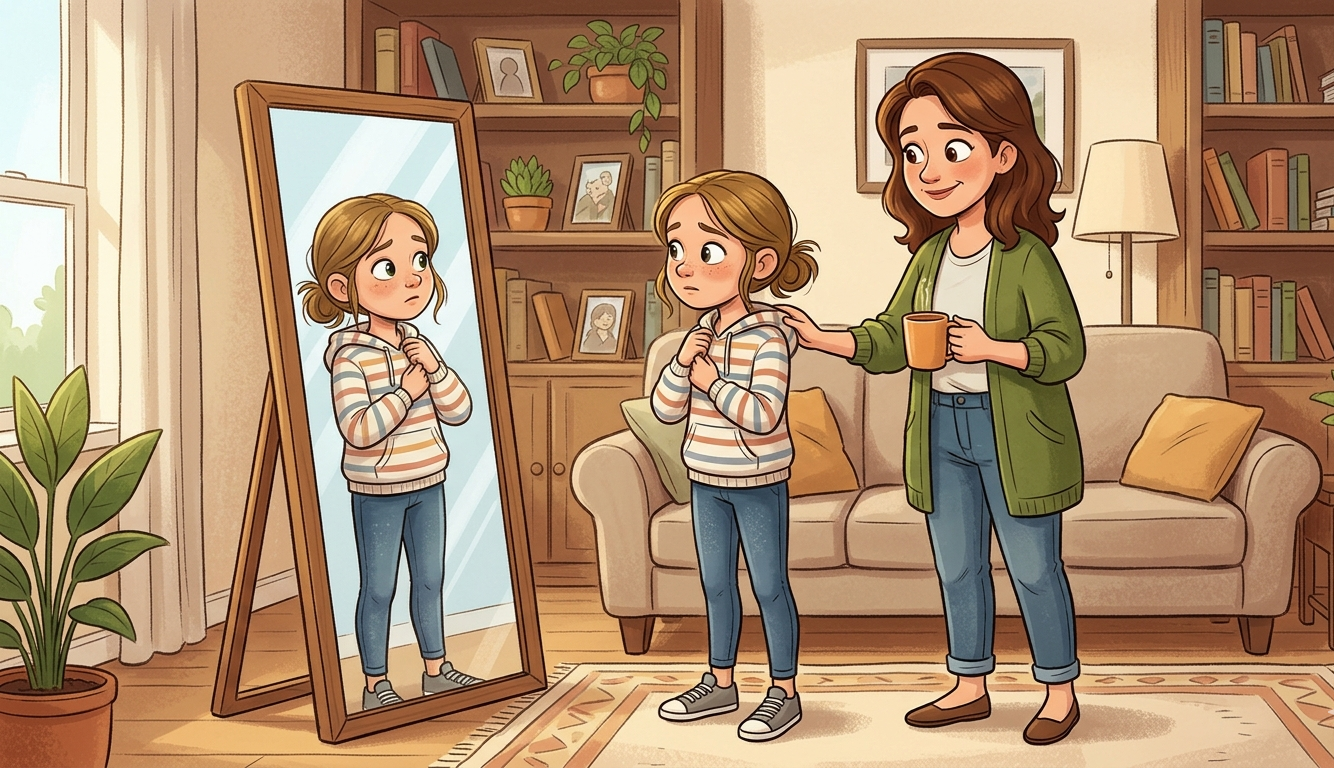
Why Body Awareness Often Arrives Before Body Understanding
Many girls notice changes in their bodies long before they fully understand what those changes mean. Body awareness often appears through behavior first: different clothing choices, increased comparison, or growing self-consciousness. Helping girls understand what they are already noticing can reduce confusion and create a stronger foundation for navigating puberty.