
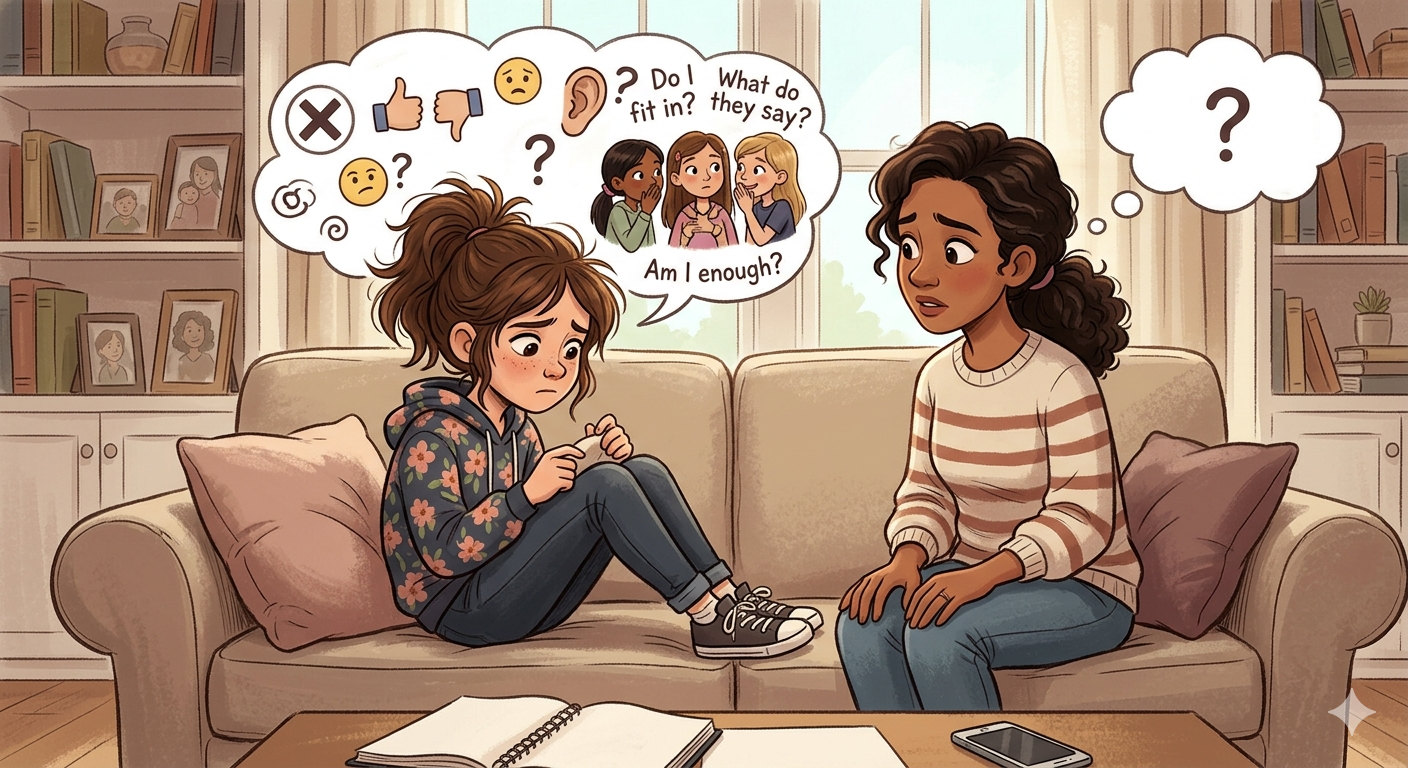
Why Some Girls Suddenly Care So Much About What Other People Think?
Many girls become more concerned with other people's opinions during the tween years, but this shift is often rooted in growing social awareness rather than disappearing confidence. As girls become more aware of friendships, appearance, and belonging, they begin paying closer attention to how they are perceived. Helping them balance external feedback with internal trust allows them to move through adolescence without losing themselves.
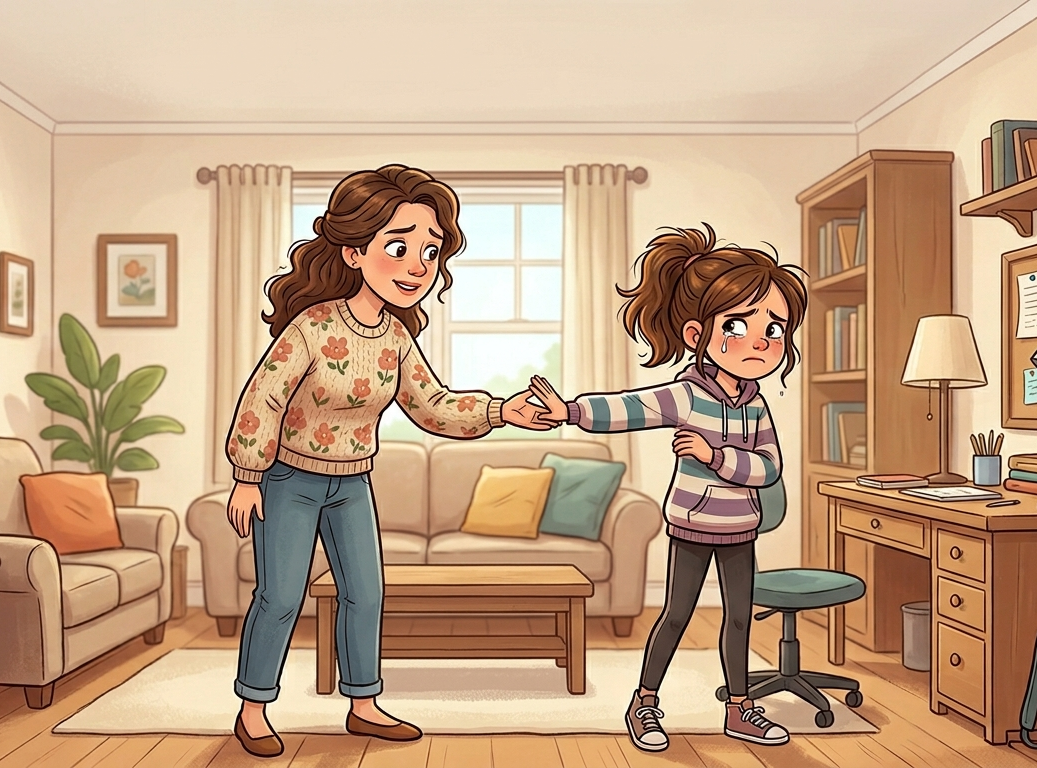
Why Girls Sometimes Push Away the Parent They Need Most?
Many parents experience the tween years as a period of growing distance. Their daughter becomes quieter, asks for more privacy, and sometimes seems irritated by attempts to help. What often gets missed is that independence and attachment are developing at the same time. A girl may push away the parent she still needs because she is learning how to become more independent without yet feeling completely secure on her own.

The Real Reason Confidence Cannot Be Built Through Compliments Alone
Parents often assume confidence grows from hearing positive things about yourself. While encouragement matters, lasting confidence develops when girls experience themselves handling challenges, recovering from setbacks, and navigating uncertainty. Compliments can provide reassurance. Confidence grows from evidence.

Why Comparison Changes During the Tween Years
Comparison becomes more intense during the tween years because girls are not only becoming more aware of others. They are becoming more aware of themselves. As identity, belonging, and peer relationships grow more important, comparison can start feeling like a way to measure worth. Helping girls build a stronger sense of self makes comparison less influential, even when it never completely disappears.

The Hidden Relationship Between Puberty and Perfectionism
Many girls become more perfectionistic during puberty, but perfectionism is not always about achievement. More often, it is an attempt to create certainty in a period of life filled with change, comparison, and self-evaluation. Understanding the fears underneath perfectionistic behavior helps parents respond to what is actually driving it.

What Parents Often Miss When a Tween Suddenly Becomes Irritable
When a tween suddenly becomes irritable, parents often focus on the reaction itself. But irritation is frequently the visible part of an emotional experience that started somewhere else. Understanding what happened before the eye roll, argument, or sharp response often reveals far more than the behavior alone.
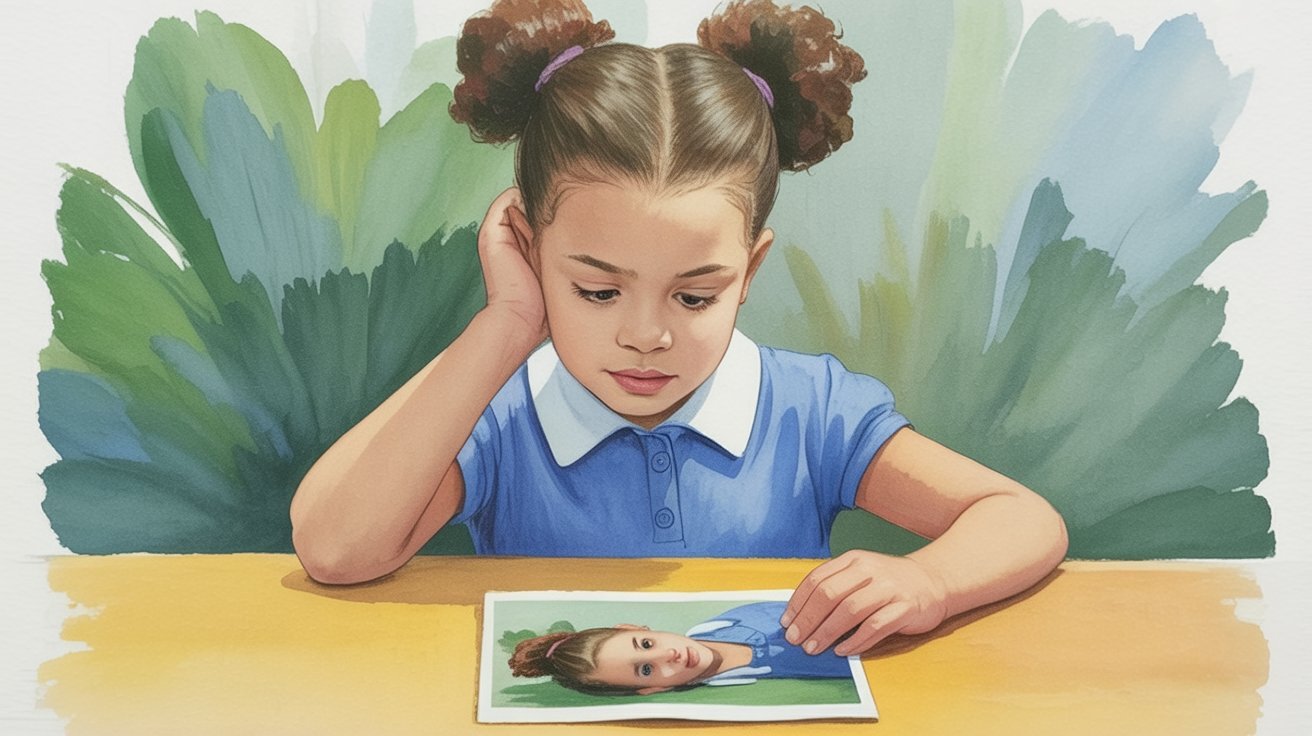
Why Girls Start Criticizing Themselves Earlier Than Most Parents Realize
A girl rarely wakes up one morning and starts criticizing herself out loud. More often, self-criticism begins in smaller ways. A second look at a photo. An outfit changed three times. A growing habit of comparing herself to the people around her. Understanding those early behaviors helps parents see what is happening before insecurity becomes part of how she sees herself.

When Your Daughter Gets Her First Crush
She mentioned a name. Maybe more than once. Maybe with a little more energy than usual. Your daughter is developing her first crush, and how you respond in the next few minutes will determine whether she ever brings it up again.

How to Raise a Daughter Who Trusts Herself
You are not just raising a girl through puberty. You are raising a woman who will one day handle hard things without you. The confidence she needs for that does not arrive on its own. Here is how you build it, in ordinary moments, starting now.

How to Talk to Your Daughter About Social Media Without Losing Her Trust
She is spending more time on her phone, and something about it worries you. You are not sure if what you are seeing is normal tween behavior or something worth addressing. Here is how to talk to your daughter about social media without turning it into a battle you both lose.

When She Stops Telling You Everything
She used to tell you everything. Now you get one-word answers and a closed door. The pulling away feels sudden, but it has been building for a while. Here is what is actually happening and how to stay connected without pushing her further out.

When Your Daughter Comes Home Upset About a Friend
She came home upset about a friend. Again. You want to help, but every time you try, it either turns into a bigger conversation than she wanted or she shuts down completely. Here is how to actually be useful when your daughter's friendships get complicated.
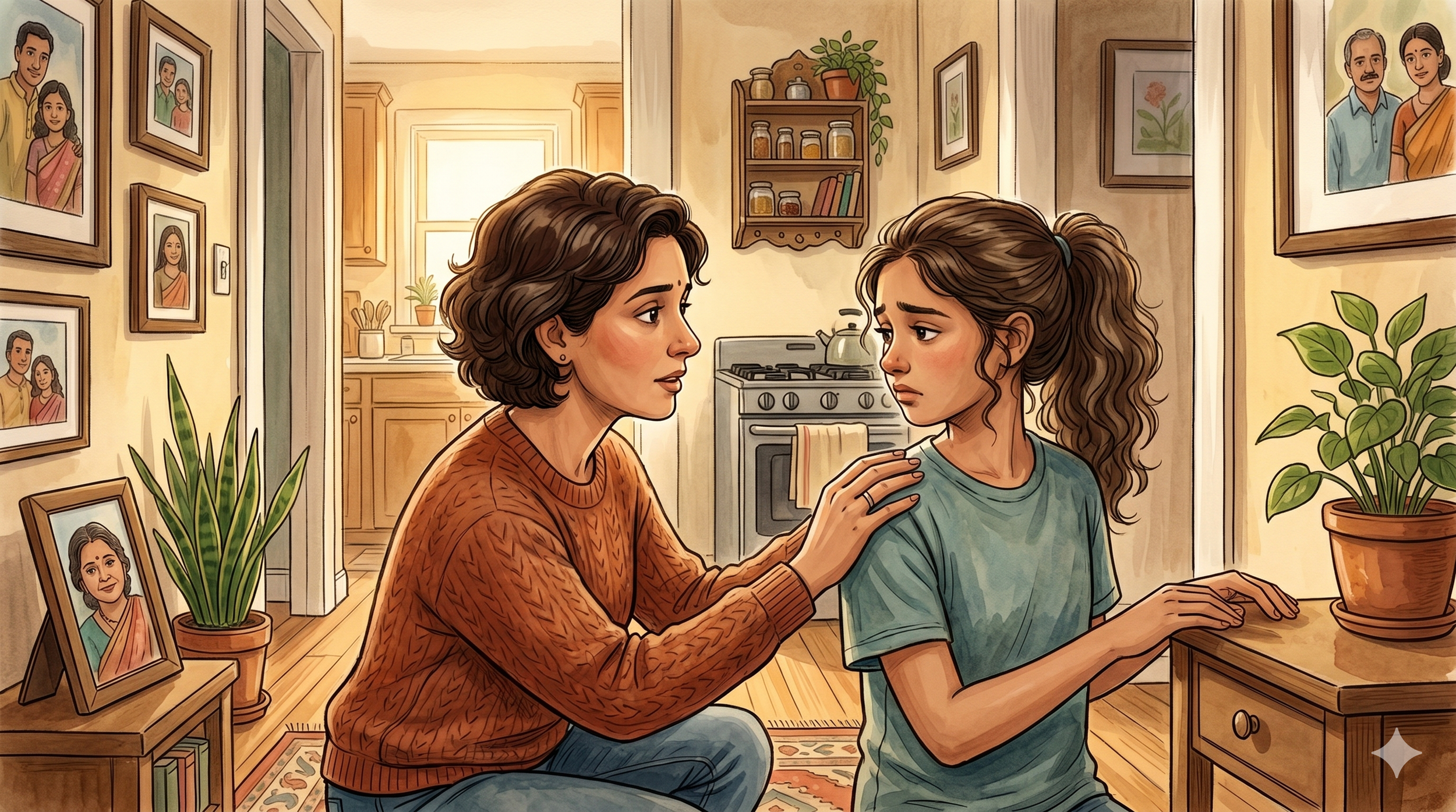
What to Do When Your Daughter Says She Hates Her Body
She looked in the mirror and said she hated her stomach. Or her legs. Or something else you wish she could see the way you see it. Body image issues are showing up younger and younger, and what you say in that moment matters more than you think.
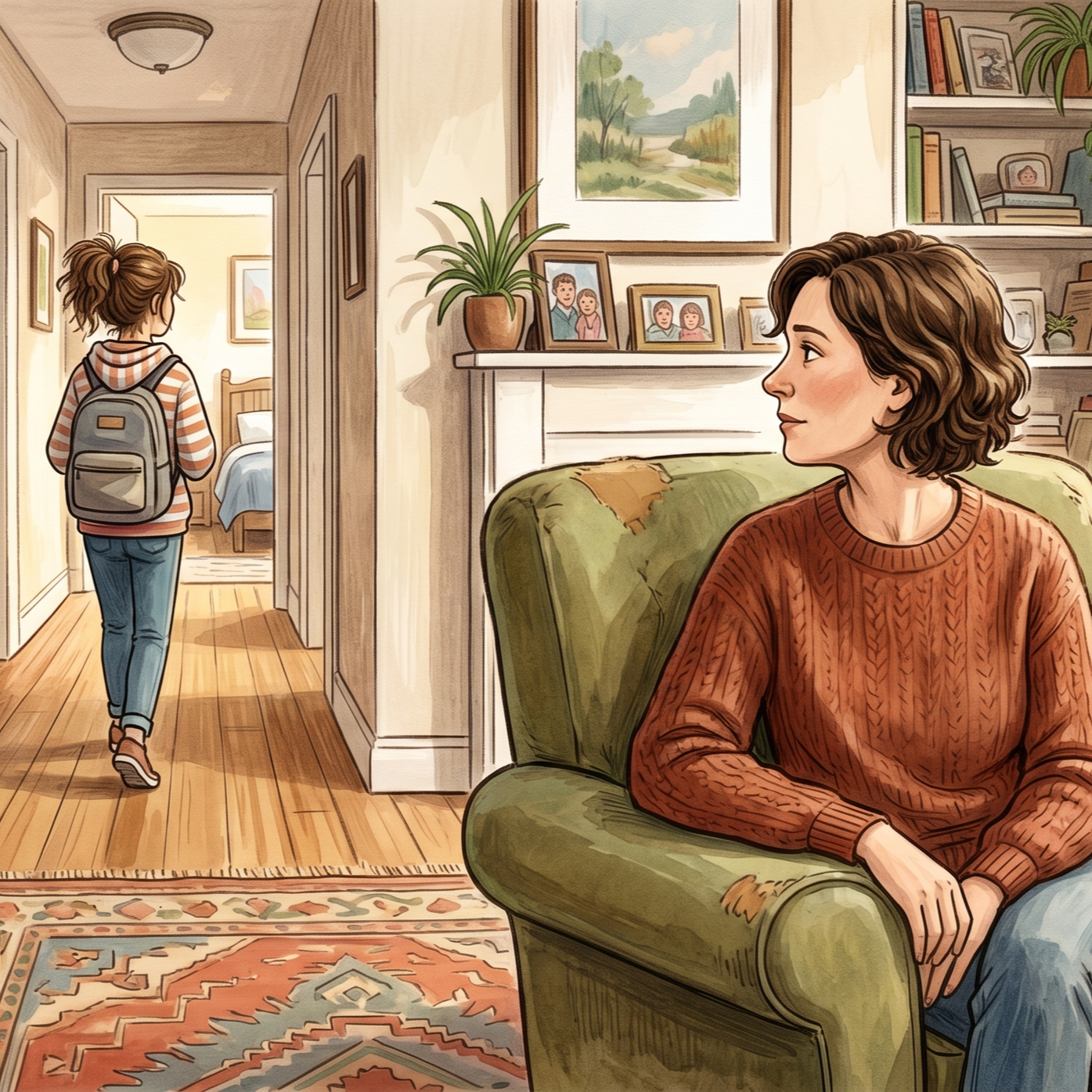
When Your Daughter's Mood Swings Feel Personal (They Are Not)
She was fine at breakfast. By the time you asked about her homework, she looked at you like you had said something unforgivable. If your daughter's moods have started to feel unpredictable, here is what is actually happening and how to stop taking it personally.

The Questions Your Daughter Is Googling Instead of Asking You
Your daughter has questions she is not asking you. Not because she doesn't trust you, but because she doesn't know how to start. Here is what is actually going on, and how to make it easier for her to come to you.
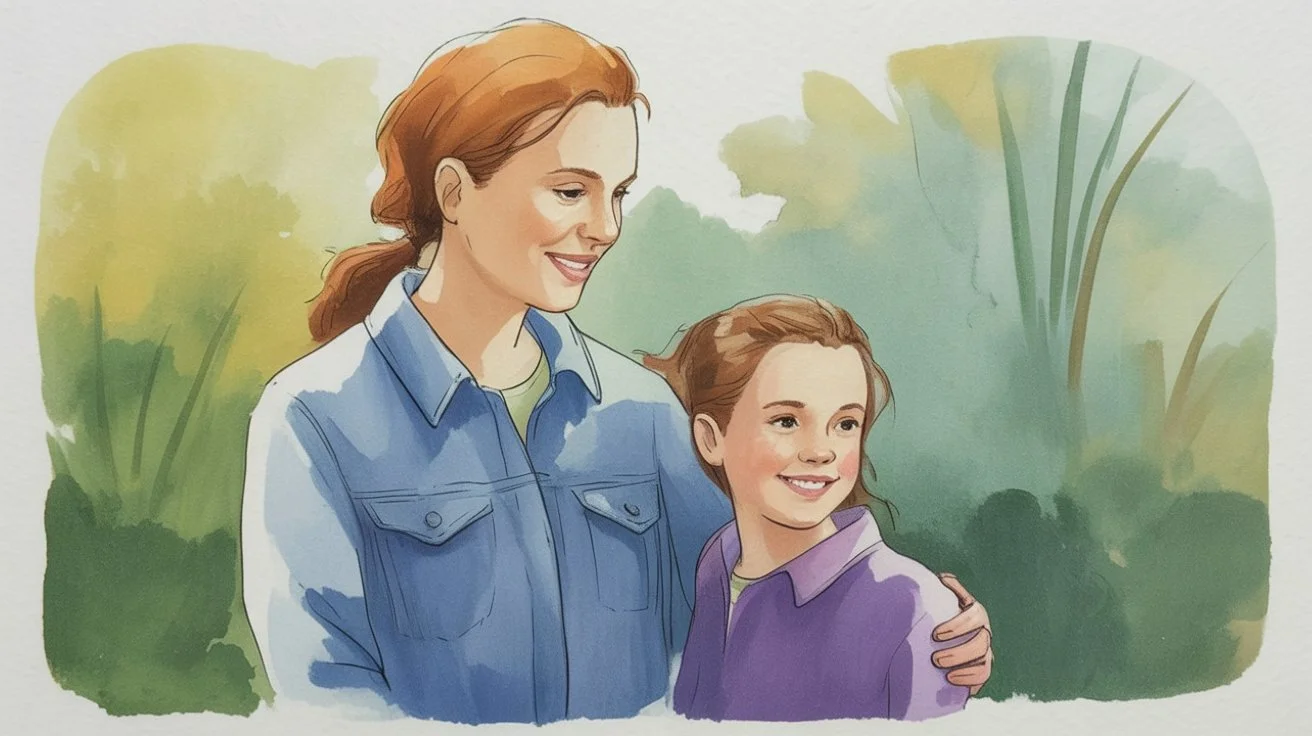
How to Start the Puberty Talk Without Making It Weird
You have been meaning to have this conversation for six months.
You keep waiting for the right moment. A quiet car ride. A calm Saturday morning. A day when she's not already annoyed about something else.
The moment never quite arrives.
And now she's nine, or ten, or eleven, and something in you knows the window is either open right now or quietly closing.
Here's the truth most parents don't say out loud: the talk doesn't have to be one big sit-down moment. It doesn't have to be uncomfortable. And it definitely doesn't need to be perfect.
It just needs to happen.

What Happens to a Girl’s Body Between Ages 8 and 12 (And Why It Feels So Sudden)
Most changes do not arrive all at once. They stack quietly. A new smell, a different shirt fit, a mood that shifts faster than it used to. It only feels sudden because no one points out the pattern while it is happening.

How Your Tween Daughter can Ask a Question She Feels Too Awkward to Say Out Loud
She stands in the doorway and almost asks.
Then she doesn’t.
It is not that she does not want the answer. She does. That is why the question keeps showing up at the worst times. In the shower. Right before bed. In the car when the music is low and there is a quiet opening she could step into.
But the words feel too big once they reach her mouth.
So she says nothing, or she asks something smaller that sounds safer.
“Hey, um… do we have more shampoo?”
The real question stays where it is.

Why You Suddenly Care What People Think (Even If You Didn’t Before)
It didn’t happen all at once.
One day, what people thought didn’t stick. Then suddenly, it did. A look, a sentence, a message. Everything started replaying later, louder than it needed to be. This is not random. Her brain is learning how to read the room in a new way, and right now it does not know how to turn the volume down.

The Text You Wish You Didn’t Send (Now What?)
She hit send and knew.
Not later, not after a reply. Right away. The message sat there, blue and permanent, while her brain started building a much bigger story than the text itself. What actually matters in that moment is not the mistake. It is what she does in the next five minutes, and how she handles the part that comes after.